

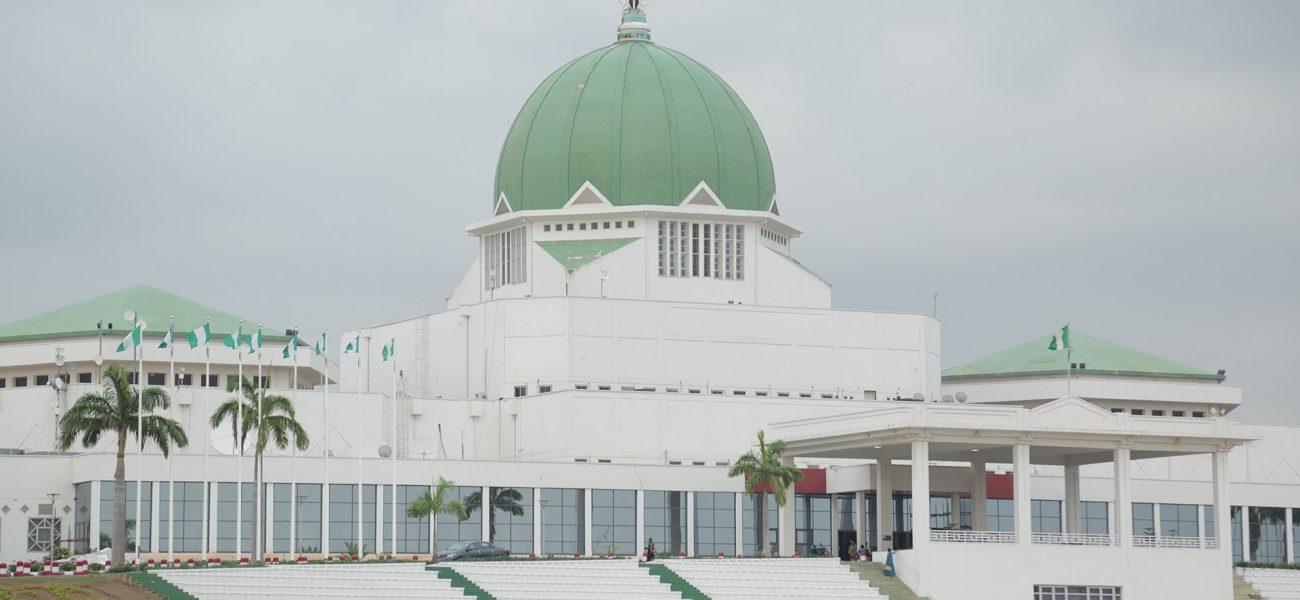
The defence of Nigeria’s 2026 budget proposals at the National Assembly by Ministries, Departments and Agencies (MDAs) has produced several dramatic moments, with lawmakers, in some cases, clashing among themselves, grilling ministers, and rejecting proposals from government agencies.
Since committees of the Senate and the House of Representatives began scrutinising the spending plans of the MDAs, the sessions have, on a few occasions, turned tense as lawmakers challenge figures, question spending priorities, and demand explanations for past budget performance.
The hearings, some conducted separately by each chamber and others jointly, revealed disagreements over policy direction, funding levels and accountability in government institutions.
Behind the confrontations lies the enormous scale of the 2026 Appropriation Bill, which is the largest national budget proposal in Nigeria’s history.
Breakdown
President Bola Tinubu presented the 2026 Appropriation Bill to a joint session of the National Assembly on 19 December, 2025. The president proposed a total expenditure of ₦58.18 trillion, describing the plan as a fiscal framework designed to consolidate ongoing economic reforms and stimulate growth.
The proposal, titled “Budget of Consolidation, Renewed Resilience and Shared Prosperity,” aims to address infrastructure deficits, strengthen national security, and stabilise the economy amid rising fiscal pressures.
The government projected total revenue of about N34.33 trillion against the planned expenditure of N58.18 trillion, leaving a deficit of roughly N23.85 trillion. The deficit is expected to be financed largely through domestic and external borrowing.
The budget was built on several key macroeconomic assumptions. The federal government projected an oil benchmark price of about $64.85 per barrel and daily crude production of approximately 1.84 million barrels. The exchange rate projection used in the proposal was around N1,400 to the United States dollar.
The proposed budget places significant emphasis on security, infrastructure and social services. Defence and security receive the largest share of the allocation as the government seeks to confront insurgency, banditry and other security challenges across the country.
Large allocations are also directed toward infrastructure development, including roads and transportation projects, as well as the education and health sectors.
Shortly after the budget presentation, lawmakers discovered discrepancies between the figure announced during the president’s speech and the amount contained in the official appropriation bill transmitted to the National Assembly.
While the president announced a N58.18 trillion proposal, the appropriation bill submitted for legislative consideration reflected a slightly higher figure of about N58.47 trillion.
Nevertheless, the appropriation bill transmitted to parliament remains the legally binding document for legislative consideration.
House passes budget for second reading
Following the presentation, the House of Representatives began consideration of the appropriation bill.
On 29 January, the chamber passed the budget for second reading, allowing lawmakers to debate the general principles of the proposal before referring it to committees for detailed scrutiny
The second reading stage allowed lawmakers to debate the budget’s general principles before referring it to committees responsible for scrutinising the proposals of various government agencies.
To allow committees to concentrate on the exercise, the House leadership temporarily suspended plenary sessions so lawmakers could focus on the budget defence hearings.
It was during these sessions that several dramatic incidents occurred.
Clash between lawmakers
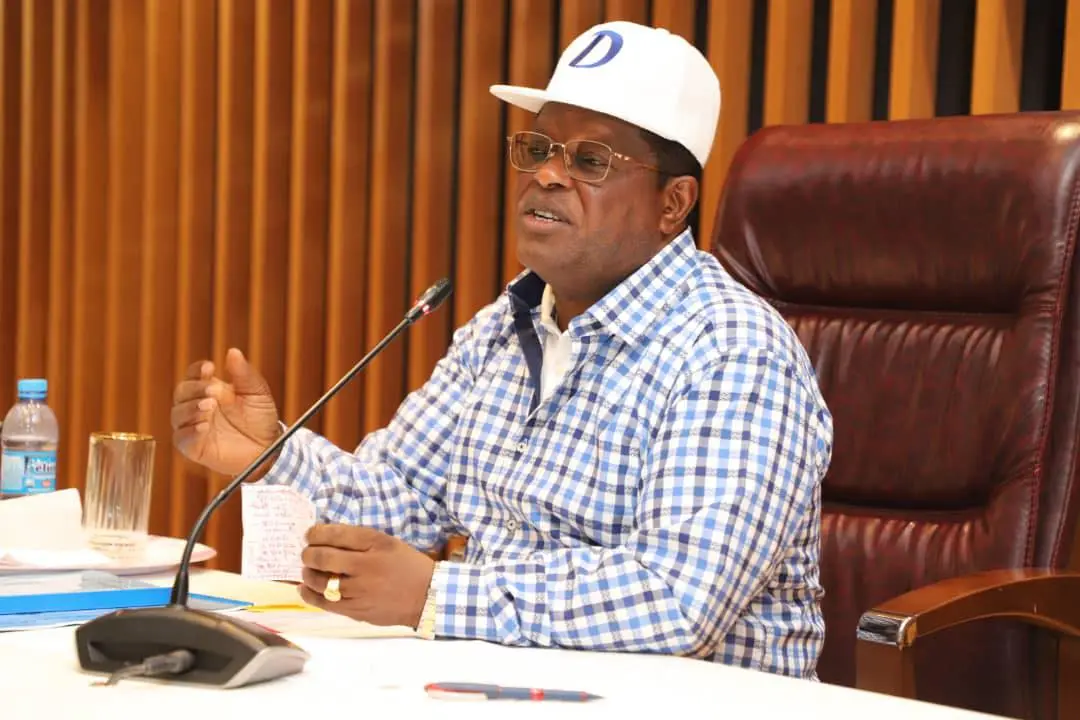
One of the most dramatic scenes occurred during a joint sitting of both chambers of the Committees on Works when the Minister of Works, David Umahi, appeared before lawmakers to defend the ministry’s budget.
The hearing had proceeded smoothly with presentations by Mr Umahi before it was briefly disrupted after a disagreement between lawmakers escalated into a heated exchange.
The confrontation began when the senator representing Ebonyi North, Peter Nwebonyi, used his speaking time to commend the minister and the administration rather than raise questions about the budget proposals and urged colleagues to do likewise.
Rufai Hanga, the Kano Central senator and vice chairman presiding over the session, attempted to stop him, insisting that lawmakers focus strictly on budget matters.
The disagreement quickly intensified into a shouting match, prompting other senators to step in to restore order.
Angered by the interruption, Mr Nwebonyi, who serves as the Senate deputy minority whip, protested: “You cannot stop me from speaking after allowing Senator Adams Oshiomhole to talk for 15 solid minutes. I’ve barely spent about five minutes, and you are telling me to wrap up. I will not. For your information, as the ranking presiding officer, I can take over the proceedings of this session from you. That is the protocol.”
Mr Hanga responded sharply, noting that the votes that brought him to the Senate were “10 times higher” than those secured by Mr Nwebonyi in Ebonyi North. He also accused Mr Nwebonyi of “bootlicking his boss,” an apparent reference to the senator’s political alignment with Mr Umahi, as both are from Ebonyi State.
Normalcy was eventually restored following the intervention of Ali Ndume (APC, Borno South) and Adamu Aliero (APC, Kebbi Central), as well as Akin Alabi (APC, Oyo), who is the chairman of the House Committee on Works, allowing the budget defence session to continue.
Arguement at agriculture ministry defence
Another tense moment occurred during the joint committee hearing on the Federal Ministry of Agriculture and Food Security’s budget.
A member of the House, Awaji-Inombek Abiante (APC, Rivers), challenged the ministry’s presentation and raised concerns about the clarity of several programmes contained in the proposal.
Mr Abiante, reacting to the minister’s presentation, pressed whether the document adhered to federal character principles and offered sufficient detail to ensure proper oversight.
“Does this report conform to the requirements of federal character?” Mr Abiante asked. “A whole lot of what is embedded here has no appropriate description.”
When he sought to expand on his concerns, the Chairman of the House Committee, Bello Ka’oje (APC, Kebbi), struck the gavel in an apparent attempt to cut off his intervention.
Mr Abiante, however, refused to yield. “Mr Chairman, I have the floor. If you don’t want me to speak, I will get my things and go,” he said. “I was elected by my people to defend their interest, and it is that interest I have come here to defend, not yours.”
He accused the chairman of attempting to silence him for the second time during the hearings, arguing that this undermined accountability.
Amid the tense exchange, David Ogewu (APC, Benue) proposed moving the discussion into an executive session.
While the minister, Sabi Abdullahi, indicated willingness to address the concerns either publicly or behind closed doors, Chairman Ka’oje insisted that deliberations continue in open session.
Security agencies face questioning
Security agencies also faced intense scrutiny from lawmakers during the defence of the 2026 budget.
Members of the House Committee on National Security and Intelligence expressed concern that allocations to intelligence agencies in the 2026 budget proposal do not reflect President Bola Tinubu’s repeated commitment to strengthening national security.
In the president’s proposed N58 trillion 2026 Appropriation Bill, about N5.41 trillion was earmarked for defence and security. However, the committee said the breakdown of figures available to it suggested that intelligence agencies were not receiving adequate funding.
The committee chair, Ahmed Satomi (APC, Borno), said the allocations to the intelligence sub-sector appeared inconsistent with the administration’s stated security priorities.
Mr Satomi noted that agencies under the intelligence architecture, comprising the Office of the National Security Adviser (ONSA) and its centres, the State Security Service (SSS), the National Intelligence Agency (NIA), the Presidential Air Fleet and the National Institute for Security Studies, received funding that appeared insufficient when weighed against the scale of Nigeria’s security challenges.
He described the funding profile as “abysmal” and urged the executive to reconsider the allocations.
Revenue performance of NRS
Another revealing moment during the defence sessions occurred when the Nigeria Revenue Service (NRS) appeared before lawmakers to present its financial performance and budget projections.
During the hearing, legislators questioned officials of the revenue agency over what they described as zero capital performance under the 2025 budget, raising concerns about the implementation of previously approved spending.
The issue emerged after the Executive Chairman of the NRS, Zach Adedeji, startled lawmakers with a bold revenue target for the year, projecting ₦40.7 trillion in total revenues, a figure that far exceeded targets in previous budgets and placed fresh pressure on MDAs to justify their allocations.
![Chairman of the Federal Inland Revenue Service (FIRS), Zaccheus Adedeji [PHOTO CREDIT@Daily Nigerian]](https://primanews.org/wp-content/uploads/2026/03/Zacch-Adedeji-1068x602-1.jpeg)
He also announced that the agency exceeded its 2025 revenue target.
Mr Adedeji said the service generated N28.23 trillion in revenue in 2025, surpassing its target of N25.2 trillion by about N3 trillion, representing a 12 per cent increase. He attributed the strong performance largely to improvements in non-oil tax collections.
According to him, non-oil tax revenues accounted for N21.46 trillion, exceeding projections by about N3.4 trillion, while oil-related tax receipts fell short of expectations by approximately 5.2 per cent.
However, lawmakers said the impressive revenue figures raised questions about why capital spending under the agency’s previous budget allocation appeared negligible.
Responding to broader fiscal concerns raised during the hearing, the Minister of Finance and Coordinating Minister of the Economy, Wale Edun, defended the administration’s economic reforms and fiscal direction.
Mr Edun explained that before the current administration assumed office, Nigeria relied heavily on Ways and Means financing from the Central Bank of Nigeria (CBN) to fund budget deficits.
He said the Nigerian National Petroleum Company Limited (NNPC Limited) also absorbed petrol subsidy costs through under-recovery arrangements, a system he described as fiscally unsustainable.
According to the minister, Mr Tinubu ended what he called unchecked Ways and Means borrowing, which had accumulated to about N30 trillion.
He said that although the decision created a short-term funding gap, it was necessary to restore macroeconomic stability and place the country’s public finances on a more sustainable footing.
Agencies seek review of allocations
Beyond the exchanges and interrogations, some ministries and government agencies used their appearance before lawmakers to complain about what they described as insufficient allocations in the 2026 budget proposal.
Officials from several MDAs told House committees that the proposed figures for their institutions may be inadequate to meet operational demands and to implement ongoing programmes.
They subsequently appealed to lawmakers to consider increasing their allocations during the final stage of the appropriation process.
Ministry of Health and Social Welfare
During its defence before the House Committee on Healthcare Services, the Federal Ministry of Health and Social Welfare raised alarm over the crippling effects of low funding in the previous budget cycle.
The Coordinating Minister, Mohammed Pate, told lawmakers that although the personnel component of the ministry’s 2025 budget was fully released and utilised, the capital vote was virtually ignored, with only N36 million released out of the N218 billion capital allocation approved for the year.
This represented a meagre fraction of the budget and made it “practically impossible” to execute planned hospital upgrades, equipment procurement and broader health infrastructure projects.
Lawmakers were urged to consider higher allocations and more efficient release mechanisms to address chronic gaps in the healthcare sector.
Ministry of Agriculture
At a joint session of Senate and House agriculture committees, officials from the Federal Ministry of Agriculture and Food Security and lawmakers expressed concern over a sharp reduction in funding for the sector in the 2026 appropriation proposal.
Lawmakers highlighted that while total national expenditure is projected to rise to about ₦58.47 trillion, the allocation to agriculture declined from around N2.22 trillion in 2025 to about N1.45 trillion in the 2026 proposal.
The reduction raised fears that critical programmes aimed at mechanisation, productivity enhancement and expansion of food security could be undermined, especially as the sector remains central to employment, household welfare and economic resilience.
Legislators warned that insufficient funding could slow efforts to achieve self‑sufficiency and food security amid economic uncertainty.
They assured that the National Assembly would work with the ministry to ensure the 2026 budget delivers tangible benefits for Nigerians.
READ ALSO: 2026 Budget: Senate targets 31 March for passage, adjourns for Sallah
Federal Civil Service Commission
The Federal Civil Service Commission (FCSC), which is constitutionally charged with critical functions such as recruitment, promotion and disciplinary control of the civil service, also drew lawmakers’ attention for its barely adequate funding.
During its 2026 budget defence before the House Committee on Public Service Matters, the commission’s chairman, Tunji Olaopa, acknowledged the importance of technology, data management and institutional reforms but warned that the proposed N2.6 billion allocation, including just over N1.2 billion for personnel costs, was insufficient to meet these objectives.
The committee chair, Sani Bala (APC, Kano), remarked that the commission’s broad constitutional responsibilities far exceeded its budgetary allocation and demanded that the Ministry of Budget and Economic Planning revisit the allocation to better reflect the commission’s needs.
Conclusion
Committees are expected to conclude their review in the coming days or weeks and submit their reports to the leadership of both chambers for harmonisation and final consideration of the appropriation bill.
The recommendations from the committees will form the basis for amendments to the spending plan when the bill returns to plenary for clause-by-clause consideration before its eventual passage.
However, the intensity of exchanges during the defence sessions suggests that several aspects of the budget may still be adjusted as lawmakers reconcile competing priorities, fiscal constraints, and sectoral demands.
