

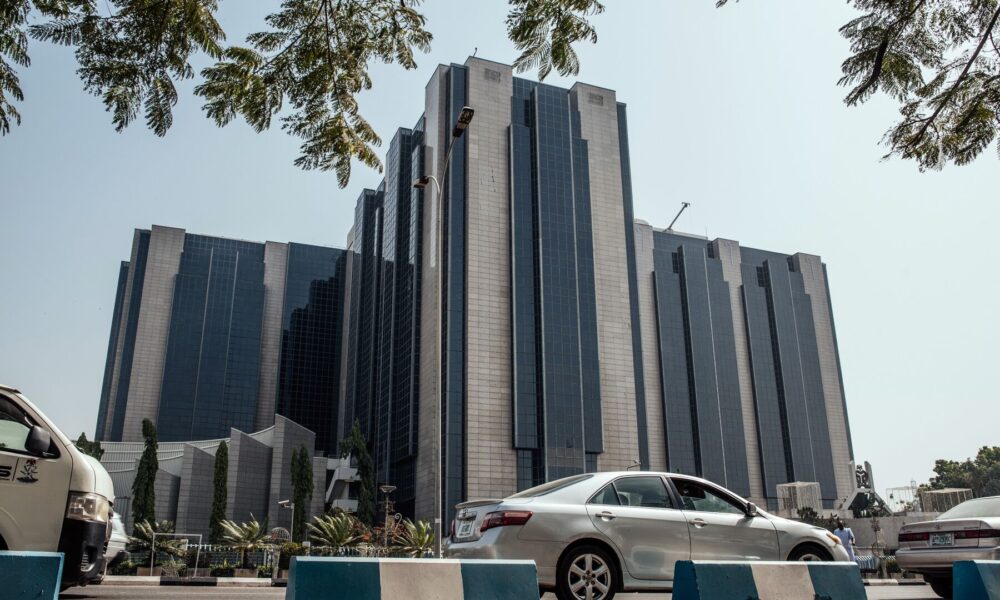
The Central Bank of Nigeria (CBN) has cautioned state governments against excessive dependence on overdrafts and short-term debt facilities as the apex bank intensifies preparations for a transition toward an inflation-targeting monetary policy framework.
The warning was issued during an engagement between the CBN and sub-national officials coordinated through the Nigerian Governors’ Forum in Abuja.
Speaking during the session, the Deputy Governor in charge of Economic Policy, Dr. Muhammad Abdullahi, said fiscal discipline at the state level would become increasingly important under the proposed inflation-targeting regime.
According to him, uncontrolled borrowing, weak budget implementation and unpredictable spending patterns could weaken efforts by monetary authorities to stabilize prices and manage inflation expectations across the economy.
He explained that inflation targeting requires a coordinated policy environment where both fiscal and monetary authorities operate within sustainable limits.
The deputy governor stressed that state governments influence liquidity conditions through borrowing activities, wage obligations, project execution, debt servicing and management of Federation Account allocations.
He warned that if sub-national governments continue expansionary spending without strong revenue support, the effectiveness of monetary policy signals could be significantly reduced.
The CBN also advised states to strengthen internal revenue generation, improve fiscal planning, align borrowing with debt sustainability limits and adopt more realistic revenue projections.
Officials at the meeting noted that inflation control cannot rely solely on interest rate adjustments by the central bank, particularly in a federal structure where state-level spending decisions directly affect overall economic conditions.
The apex bank said closer cooperation between federal and state authorities would be necessary to ensure macroeconomic stability as Nigeria moves toward a more transparent and forward-looking monetary framework.
The Director of Monetary Policy at the CBN, Dr. Victor Oboh, described inflation targeting as a framework capable of improving economic confidence, reducing uncertainty and strengthening policy credibility if supported by responsible fiscal management across all levels of government.
He added that poor coordination between monetary and fiscal authorities could increase inflationary pressure and create instability in financial markets.
Representatives from more than 20 states attended the engagement, including commissioners of finance, economic planning officials, accountants-general and senior government administrators.
The renewed push for fiscal discipline comes amid rising concerns over the growing debt profile of Nigerian states despite improved allocations from the Federation Account Allocation Committee.
Recent figures from the Debt Management Office showed that sub-national external debt increased significantly in 2025 as several states expanded borrowing to finance infrastructure projects and address fiscal pressures.
Economic analysts said the CBN’s latest position signals a tougher policy environment for state governments as authorities attempt to restore price stability and rebuild investor confidence in the Nigerian economy.
Nigeria has battled persistent inflationary pressure over the past two years, driven by exchange rate volatility, rising energy costs, food supply challenges and expansionary fiscal conditions.
The CBN believes stronger fiscal coordination across all tiers of government will be critical to achieving sustainable inflation control and long-term macroeconomic stability.
