

…Nigeria has not collapsed into a full-blown dictatorship, but it is no longer functioning as a democracy either. Its institutions have failed to consolidate, leaving the country suspended in a political twilight. To understand Nigeria’s governance disaster, one must recognise its three overlapping systems: anocracy, kakistocracy and plutocracy. Within that toxic triangle, kleptocracy, neopatrimonialism and prebendalism flourish, turning the state into a private estate for a wealthy…
We’ve had, in recent times, at least three examples of prominent people saying that Nigeria, under President Tinubu, has become a dictatorship. Most recently, Batten-Montague, Atiku Abubakar’s US lobbyist, said that the Tinubu administration is “increasingly displaying the behaviour of a single‑party dictatorship consolidating power through fear and intimidation.” Yele Sowore told the Vanguard that the 2027 election results have already been written. Before him, Professor Uzo Nwala had told Arise News that we are in a full-blown military dictatorship.
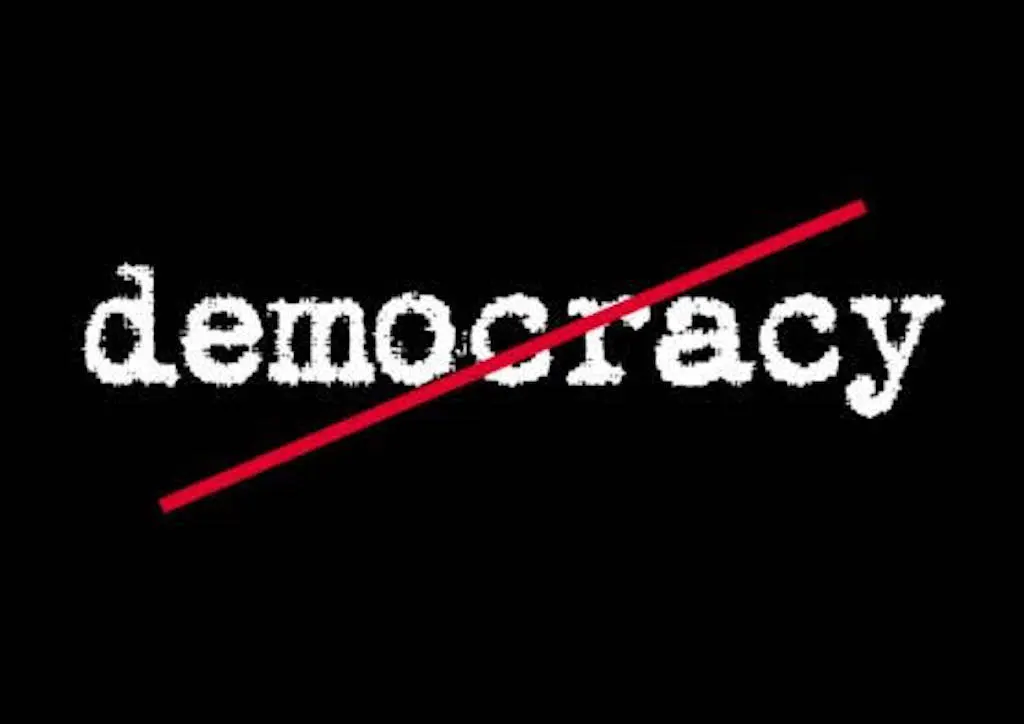
Let’s get one thing straight: Nigeria has not collapsed into a full-blown dictatorship, but it is no longer functioning as a democracy either. Its institutions have failed to consolidate, leaving the country suspended in a political twilight. To understand Nigeria’s governance disaster, one must recognise its three overlapping systems: anocracy, kakistocracy and plutocracy. Within that toxic triangle, kleptocracy, neopatrimonialism and prebendalism flourish, turning the state into a private estate for a wealthy, corrupt and utterly incompetent few.
Anocracy: The Democracy That Isn’t

Nigeria’s regime type is anocracy – a hybrid that mixes democratic forms with authoritarian practices. Elections are held regularly, but they are marred by violence, vote‑buying and the control of state machinery. Professor Udenta Udenta recently warned that Nigeria is sliding into “competitive authoritarianism,” where state capture is increasingly taking hold. A new political order has emerged, one in which power is more concentrated than at any point since 1999, and elections are fought through identity, money and control of the state apparatus, rather than ideas. Civil society groups have deplored the shrinking civil space, a compromised judiciary and the erosion of multi-party democracy. Institutions are weak; public confidence in the judicial branch has weakened due to rulings in high-profile electoral disputes that critics say align with political interests, rather than legal precedents.
Nine in ten states operate under weak institutional democracy, and 10 states do not even make local government election laws publicly accessible, thereby limiting citizen participation and eroding trust. This is anocracy in action: democratic rituals without democratic substance.
Kakistocracy: The Worst Rise to the Top
If anocracy describes the flawed system, kakistocracy describes those who occupy it. Public office is awarded not on merit but on political patronage, ethnic balancing and financial influence. Corruption is endemic, and competence is rarely a prerequisite for high office. A political analyst put it bluntly: “Either they are incompetent, poorly prepared, or have the wrong people leading various agencies and ministries”. Former Minister of Power, Saleh Mamman, was sentenced to 75 years in prison for diverting ₦33.8 billion from the power sector, yet he was appointed in the first place. Minister of Power, Adebayo Adelabu, is currently being sued over a missing ₦128 billion in the power sector. The pattern is consistent: incompetent and corrupt individuals are recycled into high office.
The result is a government that many Nigerians now view as lacking legitimacy, a “dangerous trend for any democracy”, as one analyst put it. From local councils to the presidency, the least suitable, most corrupt, or most incompetent individuals routinely rise to power. This is kakistocracy: rule by the worst.
Within this triangle, kleptocracy flourishes. Corruption is not limited to isolated incidents but is driven by a system in which public institutions are captured and used to serve elite interests. Illicit financial flows and looted assets continue to weaken public service delivery and economic stability. Nigeria ranks poorly on global corruption indices, scoring 26 out of 100, far below the global average.
Plutocracy: The Wealthy Own the System
Plutocracy explains who holds power. Wealth determines political influence in Nigeria. Elections are monetised; the middle class is automatically filtered out. A tiny class of politicians, contractors and power brokers has cornered the benefits of governance, while the vast majority remains trapped in hardship. Political parties have become “millionaires’ clubs”, sending a clear signal: political ambition requires wealth, not vision. The godfather system – where wealthy power‑brokers finance candidates and control electoral outcomes – remains deeply entrenched. Political godfathers hold enormous influence within the electoral process; they are the kingmakers, financiers and controllers of patronage.
The wealthy not only dominate politics but also shape policy to protect their interests. Ordinary citizens are effectively excluded from meaningful participation. This is rule by the wealthy: plutocracy.
The Supporting Systems: Kleptocracy, Neopatrimonialism and Prebendalism
Within this triangle, kleptocracy flourishes. Corruption is not limited to isolated incidents but is driven by a system in which public institutions are captured and used to serve elite interests. Illicit financial flows and looted assets continue to weaken public service delivery and economic stability. Nigeria ranks poorly on global corruption indices, scoring 26 out of 100, far below the global average.
Neopatrimonialism is a system where formal rules are subordinated to personal relationships, and patronage is the operating logic. The prebendal model, famously articulated by Richard Joseph, describes how state offices are treated as “prebends” to be allocated to loyal clients who then appropriate state resources for themselves and their networks. Politicians owe allegiance to their political godfathers, rather than to the institutions they serve.
The Way Forward
Nigeria’s triple crisis is not irreversible, but reversal requires hard choices that the political class has consistently avoided. The first necessity is constitutional reform to devolve power away from the centre. An over‑mighty presidency is the engine of neopatrimonialism. Restoring federalism – with real fiscal autonomy for states and local governments – would disperse power and weaken the godfather networks that thrive on centralised patronage.
…civil society and the media must be empowered to sustain pressure. The erosion of the civic space has allowed impunity to flourish. International partners should tie aid and investment to verifiable governance reforms, not just macroeconomic indicators.
The second priority is the de‑monetisation of politics. Nigeria should adopt mandatory signature thresholds, transparent small‑donor fundraising and spending limits with real‑time disclosure. Political parties must be democratised from within; internal primaries should be subject to independent oversight, rather than the will of a few wealthy godfathers. The 2026 Electoral Act amendments are a start, but they do not go far enough.
Third, asset recovery must be transparent and reinvested for public benefit. Nigeria has recovered billions in looted assets, yet citizens rarely see the proceeds. A statutory framework that mandates public disclosure of recovered funds and directs a fixed percentage to social investment, infrastructure and education would rebuild trust.
Fourth, judicial independence must be protected and insulated from executive influence. When courts align with political interests, rather than legal precedent, democracy dies. Judicial appointments should be depoliticised, and judges must be empowered to hold power to account, without fear of retaliation.
Finally, civil society and the media must be empowered to sustain pressure. The erosion of the civic space has allowed impunity to flourish. International partners should tie aid and investment to verifiable governance reforms, not just macroeconomic indicators.
The crisis of anocracy, kakistocracy and plutocracy is a crisis of political will, not of resources. The solutions exist. The question is whether enough Nigerians will demand them.
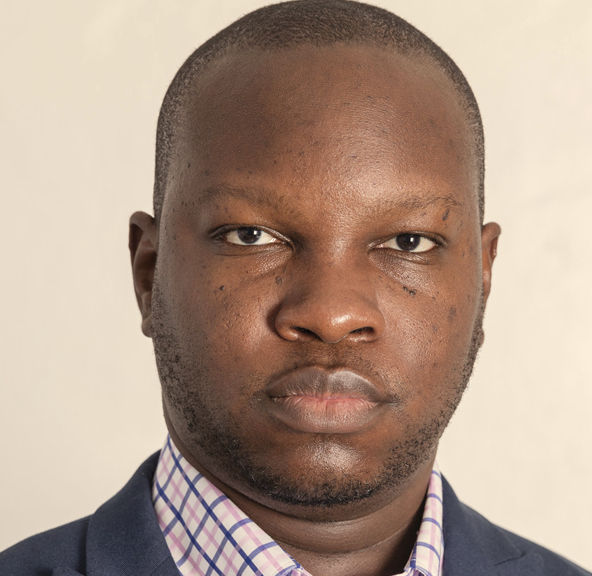
Cheta Nwanze is a partner at SBM Intelligence.
