

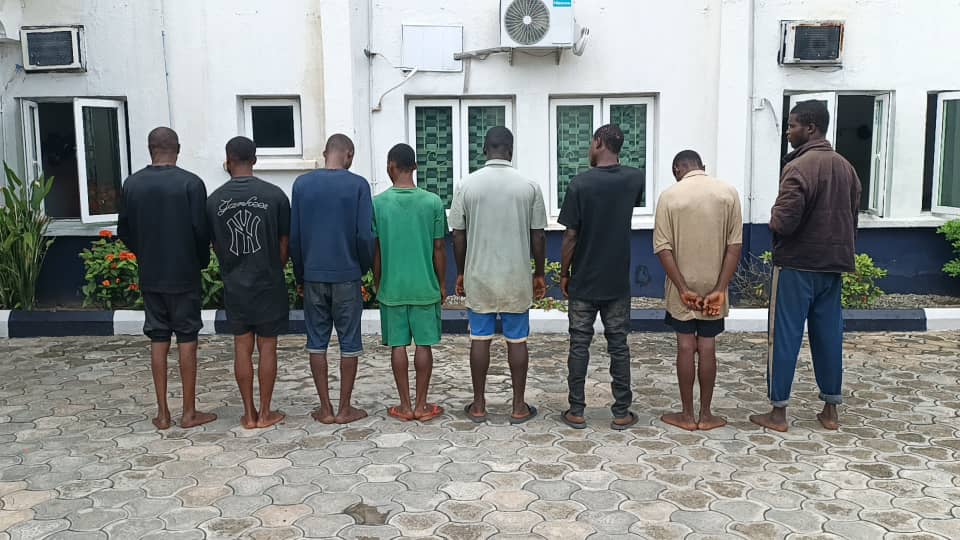
The Chief of the Naval Staff, Idi Abbas, has revealed that the real architects of crude oil theft remain largely out of reach of security agencies, while those arrested are often low-level operatives with limited knowledge of the wider criminal network.
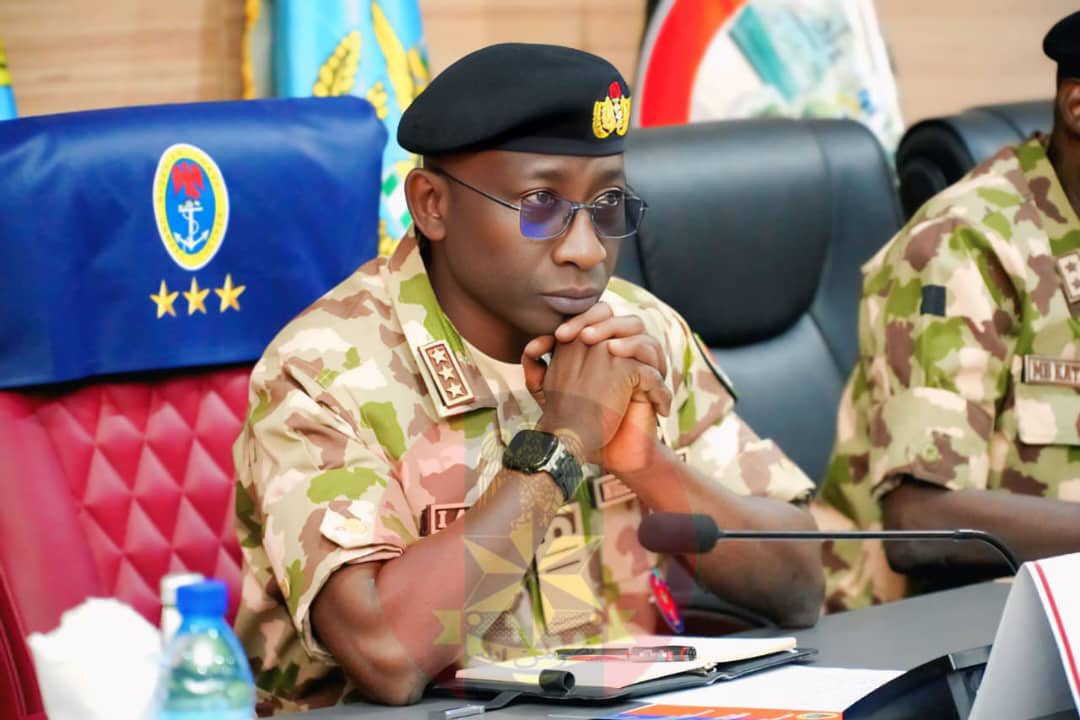
Photo: Nigerian Army
Speaking on Channels Television’s Sunrise Daily on Friday, Vice Admiral Abbas said the structure of oil theft syndicates is deliberately complex, making prosecution and intelligence tracking particularly difficult.
“Most of the faces behind these thefts are not really known or are not the ones we always catch. The ones we get at most of the illegal refinery sites are just being given some paltry sum, while the big masquerades are the ones that make the real money,” he said.
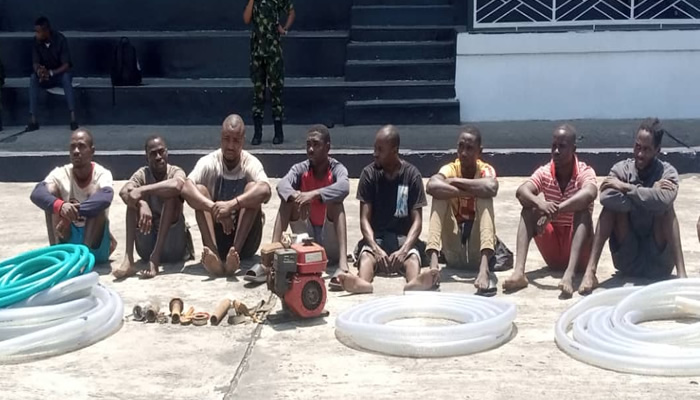
He explained that even when arrests are made, successful prosecution is often hindered by the lack of information possessed by suspects at the bottom of the chain.
“In trying to prosecute some of these people that we get, some of them don’t even know who they are working for. So, the network is a very delicate one,” he added.
Despite these persistent challenges, Abbas stressed that the Navy and other security agencies are continuously adapting their operational approaches to match the evolving tactics of oil thieves.
“Despite the challenges, the Naval Chief said the Nigerian Navy and other security agencies are continually refining their strategies to counter the evolving tactics of oil thieves.
“As they are evolving strategies, we are also evolving new strategies. Like I keep saying, technology is the way forward. With that, we have been able to reduce the level of theft,” he stated.
He added that the deployment of technology-driven surveillance systems, intelligence gathering, and coordinated monitoring has significantly improved enforcement efforts in Nigeria’s oil-producing regions.
Crude oil theft, particularly in the Niger Delta, continues to cost Nigeria billions in lost revenue while also causing environmental degradation in affected communities. However, Abbas insisted that progress is being made in securing maritime and coastal environments.
“As it stands today, I can say that our coastal areas and the riverine areas are relatively safe,” the Naval Chief stated.
According to him, the Navy has recorded notable success in curbing illegal oil bunkering and sea robbery activities, even though isolated incidents persist.
“What we are contending with mostly there is the issue of crude oil theft and some pockets of sea robbery, which we are able to curtail,” he said.
Beyond operational improvements, the Naval Chief also called for structural judicial reform to strengthen prosecution outcomes, proposing the creation of a dedicated court for maritime crimes.
“What we are pushing for is that we should have a special court that will try these maritime criminals,” the naval chief said on Friday on Channels Television’s Sunrise Daily.
He argued that such a court would speed up trials and ease the logistical and financial burden on the Navy, which currently bears the cost of storing and maintaining seized vessels for extended periods.
“If we have that in place, I believe the dispensation of justice will be done much faster and then ease the burden of keeping and maintaining some of the arrested vessels, which will be taken off from us because we spend a lot to maintain those vessels under our custody,” he stated.
Abbas reaffirmed the Navy’s commitment to sustaining pressure on oil theft networks, emphasizing that long-term success will depend on collaboration between security agencies, stakeholders, and host communities.
