

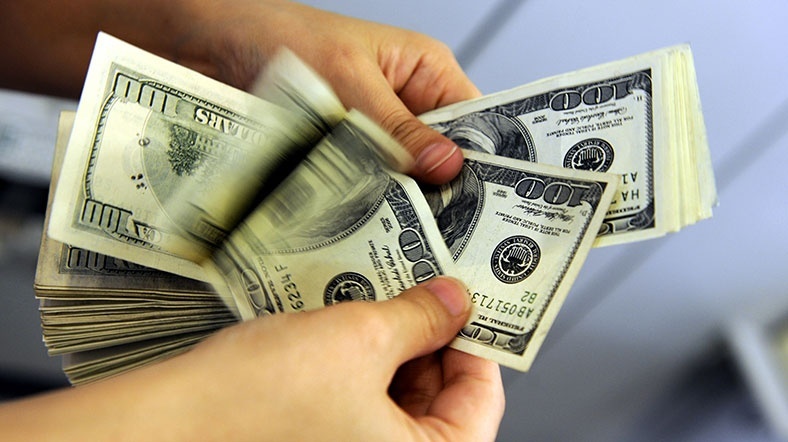
The U.S. dollar strengthened against major global currencies on Monday as investors sought safety following renewed tensions between the United States and Iran.
The greenback gained momentum after fresh developments in the Middle East heightened concerns over the security of global energy supplies and prompted investors to shift capital away from risk-sensitive assets and into traditional safe havens.
The renewed demand for the U.S. currency came as crude oil prices climbed sharply on fears that escalating tensions could disrupt shipments through the Strait of Hormuz, one of the world’s busiest oil transit routes.
The surge in energy prices also revived concerns about global inflation, reinforcing expectations that central banks may be forced to maintain restrictive monetary policies for longer.
A stronger inflation outlook has reduced market expectations for near-term interest rate cuts, supporting the U.S. dollar as investors reassess the path of monetary policy in the world’s largest economy.
The Dollar Index, which tracks the U.S. currency against a basket of major peers, moved higher as the dollar appreciated against several leading currencies, including the euro, British pound and Japanese yen.
Market analysts said geopolitical uncertainty often increases demand for highly liquid assets such as the U.S. dollar, particularly during periods of heightened volatility in global financial markets.
Beyond geopolitical developments, investors remain focused on upcoming U.S. inflation data and signals from Federal Reserve officials for further guidance on interest rate policy. Any indication that inflation is proving more persistent than expected could strengthen the case for keeping borrowing costs elevated, providing additional support for the dollar.
The rally in the greenback also weighed on commodity prices, particularly precious metals, as a stronger dollar increases the cost of dollar-denominated assets for international buyers.
Meanwhile, global equity markets traded cautiously as investors balanced geopolitical risks with concerns over the economic impact of sustained high energy prices.
Safe-haven assets, including the U.S. dollar and government bonds, continued to attract inflows as market participants reduced exposure to higher-risk investments.
Currency traders are expected to closely monitor developments in the Middle East, movements in crude oil prices and upcoming economic data releases for fresh clues on the direction of the U.S. dollar in the coming weeks.
