

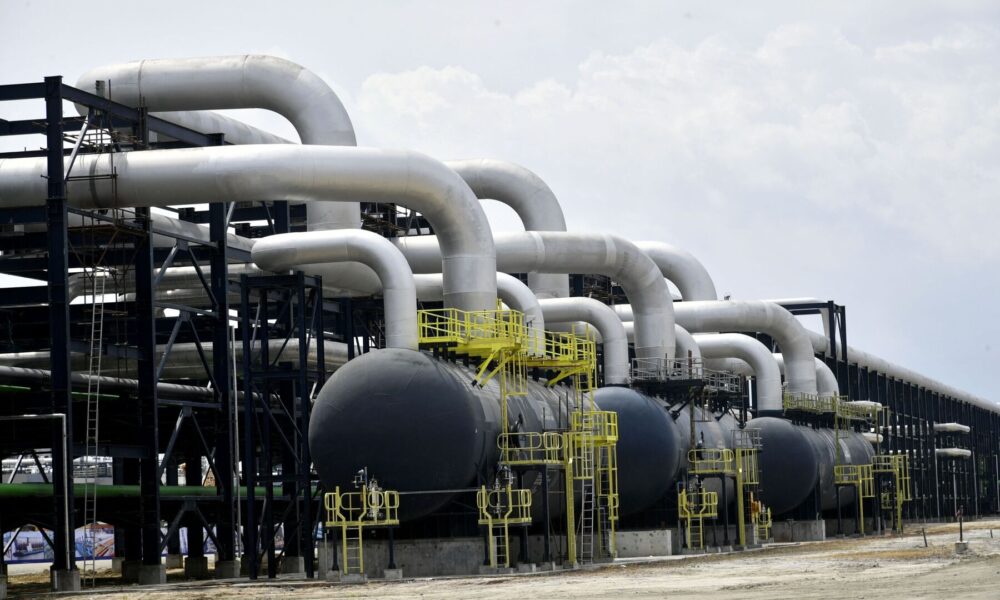
Dangote Industries Limited’s proposed oil refinery in Kenya has attracted fresh regional investment interest after Tanzanian billionaire Mohammed Dewji expressed his willingness to commit up to $100 million to the project.
Dewji, one of Africa’s leading industrialists, said he is prepared to invest in the planned refinery should Aliko Dangote proceed with the project.
The proposed investment would represent one of the largest private cross-border commitments to a refining project in the region.
The interest comes as Dangote Industries explores opportunities to extend its refining footprint beyond Nigeria following the successful launch of the 650,000 barrels-per-day Dangote Petroleum Refinery in Lagos.
Industry observers believe a refinery in Kenya could significantly strengthen the supply of refined petroleum products across East Africa and reduce dependence on imported fuels while supporting regional energy security.
The proposed facility is expected to serve fast-growing markets within the East African Community, where rising fuel demand continues to create opportunities for investment in downstream petroleum infrastructure.
Dewji’s interest also reflects increasing confidence among African investors in financing large-scale industrial projects capable of driving regional economic integration and expanding intra-African trade.
Analysts note that collaboration between leading African business groups could accelerate investment in strategic infrastructure while reducing reliance on foreign capital for critical energy projects.
Although discussions remain at an early stage and no final investment agreement has been announced, the proposed funding signals growing momentum behind the Kenya refinery initiative.
The project aligns with Dangote Industries’ broader strategy of expanding its presence across the African energy value chain.
The company has continued to position itself as a major supplier of refined petroleum products to several African markets since commencing operations at its Lagos refinery.
A refinery in Kenya could complement existing export operations by improving product availability in Eastern Africa, lowering transportation costs and strengthening regional fuel distribution networks.
The development also comes as many African countries seek to expand domestic refining capacity to reduce exposure to international supply disruptions and minimise the cost of importing refined petroleum products.
If the investment materialises, it would represent another milestone in Africa’s drive to build integrated energy infrastructure through partnerships between indigenous investors, while reinforcing confidence in the continent’s long-term industrial growth prospects.
