

Kenya’s rising debt, higher taxes and worsening economic conditions are fuelling frustrations among young people, while the government’s response is shrinking the space for citizens to protest and demand accountability, activists and human rights experts have warned.
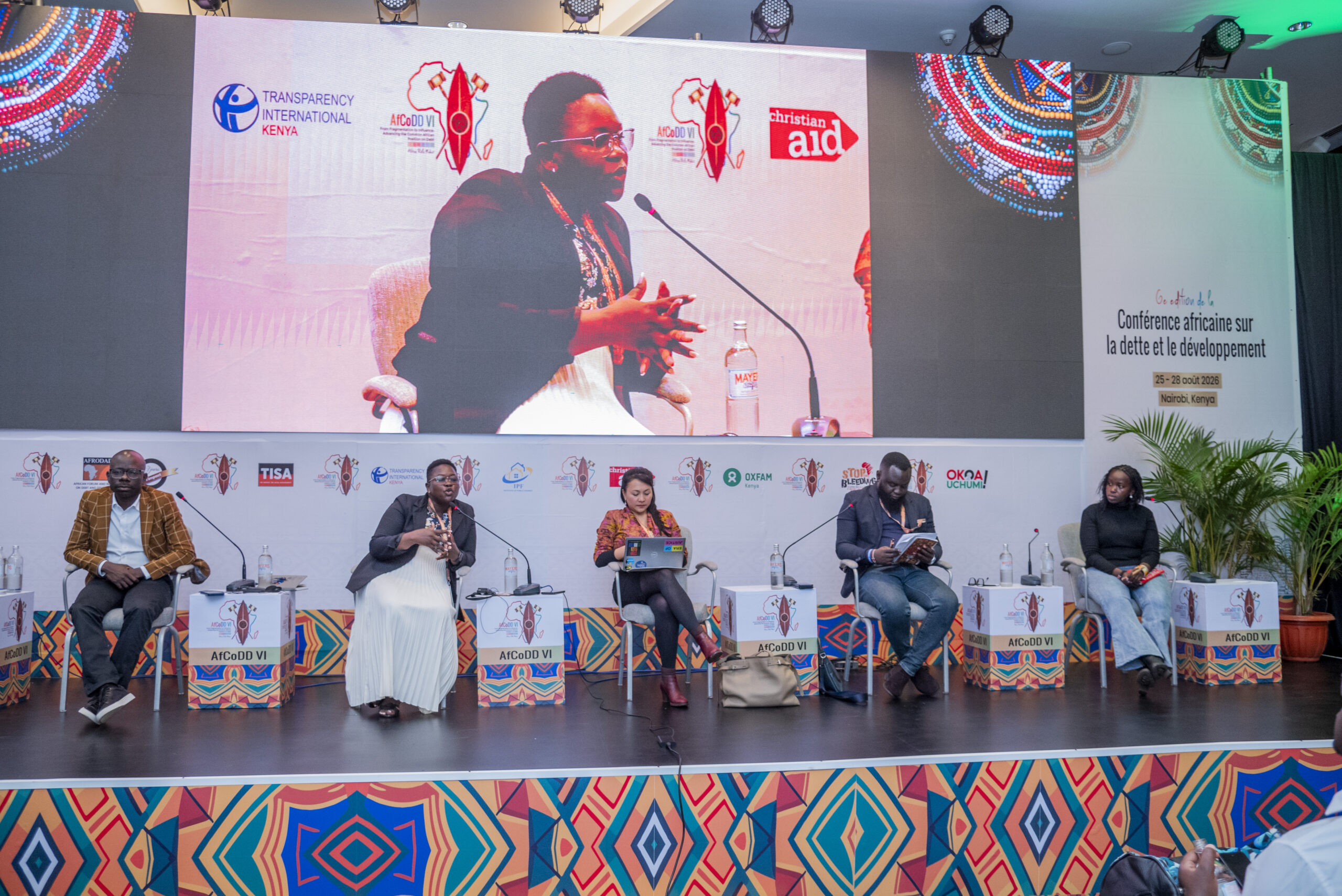
They spoke on Thursday in Nairobi, Kenya, during a panel discussion at the sixth African Conference on Debt and Development (AfCoDD VI), organised by the African Forum and Network on Debt and Development (AFRODAD).
The session, organised by Amnesty International, brought together David Ngira, an economic, social and cultural rights researcher for East and Southern Africa at Amnesty International; Juliet Wanjiru and Brian Omondi of the Social Justice Centre; Annet Nerima, programme manager for Inclusion and Political Justice at the Kenya Human Rights Commission; and Riva Jalipa, Amnesty International’s researcher and adviser on taxation and human rights.
They linked the anger behind Kenya’s 2024 youth-led protests to a combination of rising living costs, unemployment, taxation, poor public services and corruption.
“As they pay taxes, they’re asking what is in it for us? What are we getting out of it?” they said.

They explained that the pressure on the government to raise revenue and service its debt has resulted in tax measures that have placed further strain on households already struggling with the cost of living.
They noted that debt repayments are also competing with spending on healthcare, education and social protection, while corruption, illicit financial flows and poor management of borrowed funds continue to weaken public finances.
According to them, many citizens have increasingly questioned whether the taxes they pay are translating into better services.
The panellists stated that frustration spilled onto the streets in 2024, when thousands of Kenyans, many of them young people, protested against proposed tax increases, the cost of living, unemployment and corruption.
The government later withdrew the Finance Bill 2024, but the panellists said the concerns that brought protesters out had not disappeared.
They cautioned against reducing the demonstrations to opposition to the Finance Bill alone.
They stressed that community-based human rights groups had for years been campaigning around police brutality, rising prices, poor public services and other social justice concerns.
But they noted that the 2024 protests brought many of those issues together and drew a larger number of young Kenyans into political action.
‘Civic space has shrunk’
The government’s handling of the protests has since become a major part of the human rights debate.
The activists raised concerns about killings, abductions and other forms of repression associated with protests, saying the incidents had further weakened trust between citizens and the state.
They said economic and social rights could not be separated from civil and political freedoms because people needed the freedom to speak, organise and protest when government policies affected their lives.
Kenya’s 2010 Constitution guarantees economic and social rights, but unemployment, the cost of living and inadequate public services continue to test the extent to which those rights are being realised.
The panellists also questioned the effectiveness of public participation in government decision-making.
They explained that citizens are often invited to submit their views on policies and budgets but are left uncertain about how those contributions affect final decisions.
The Kenya Human Rights Commission and other civil society organisations have documented killings, disappearances and abductions associated with protests, they said.
But sustained demonstrations alone would not produce the political change young Kenyans want, the panellists said.
They urged young people to build stronger political and community structures that would keep them involved in decision-making between elections.
Grassroots organisations are already working towards this, including through community-based approaches to accountability and justice in areas where formal institutions have been slow to respond to rights violations.
READ ALSO: Africa spends $90bn yearly servicing debt, pays $75bn risk premium — Kenya govt
Amnesty International’s research into the issue is expected to be published in October.
The panellists called for greater transparency in public borrowing, stronger investigation and prosecution of corruption and better systems for tracking borrowed funds.
They said money lost through corruption and illicit financial flows could instead be used to reduce Kenya’s dependence on borrowing and improve essential public services.
Africa risks new debt crisis from critical minerals rush
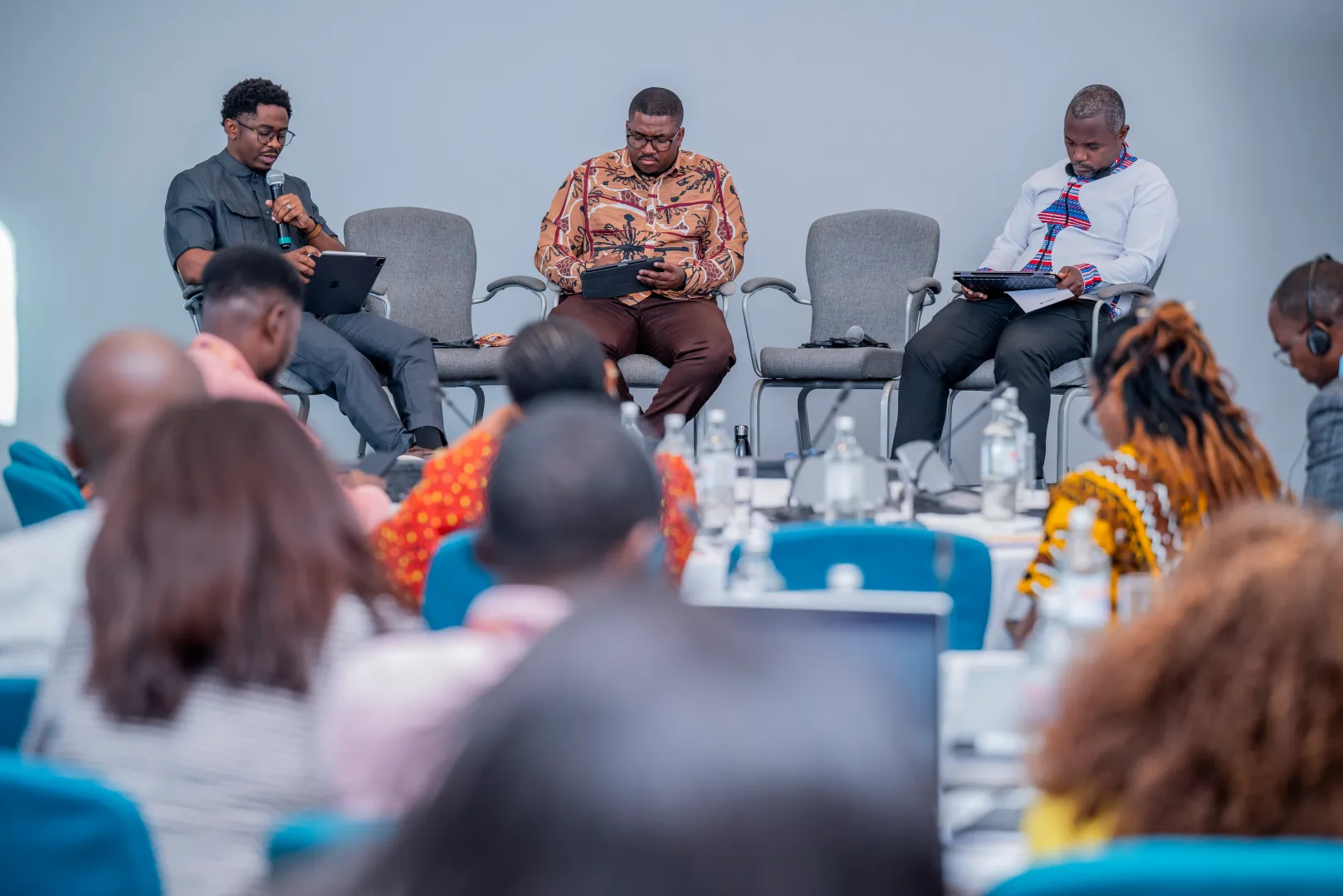
In a separate panel session, experts warned that Africa could turn its critical mineral wealth into another source of debt if governments pledge future mineral revenues without securing lasting economic benefits.
The session, titled “Critical Minerals, Debt and Tax Justice in Africa’s Common Position”, featured Koaile Monaheng of Greenpeace Africa, John Maketo of the Zimbabwe Coalition on Debt and Development (ZIMCODD), and Ishmael Zulu of the Tax Justice Network Africa (TJNA).
Africa has large deposits of copper, cobalt, lithium, graphite and manganese, among other minerals expected to be in greater demand as countries shift towards cleaner energy and new technologies.
The panellists said the resources could help create jobs, raise government revenue and support industrialisation.
But simply extracting and exporting them would leave African countries carrying much of the environmental and social cost while more profitable stages of the value chain take place elsewhere.
Zambia provides an example. The country is one of Africa’s major copper producers, yet about 78 per cent of its copper exports were unrefined in 2023, according to the World Bank.
The experts noted that African countries should therefore place greater emphasis on local processing and manufacturing rather than relying mainly on exports of raw minerals.
They also warned that competition among major economies for access to the continent’s resources could weaken African countries’ negotiating position.
Rather than competing individually for investment, they stated that African countries should negotiate collectively and seek agreements that deliver jobs, industrial capacity and public revenue.
Discover more from Premium Times Nigeria
Subscribe to get the latest posts sent to your email.
