

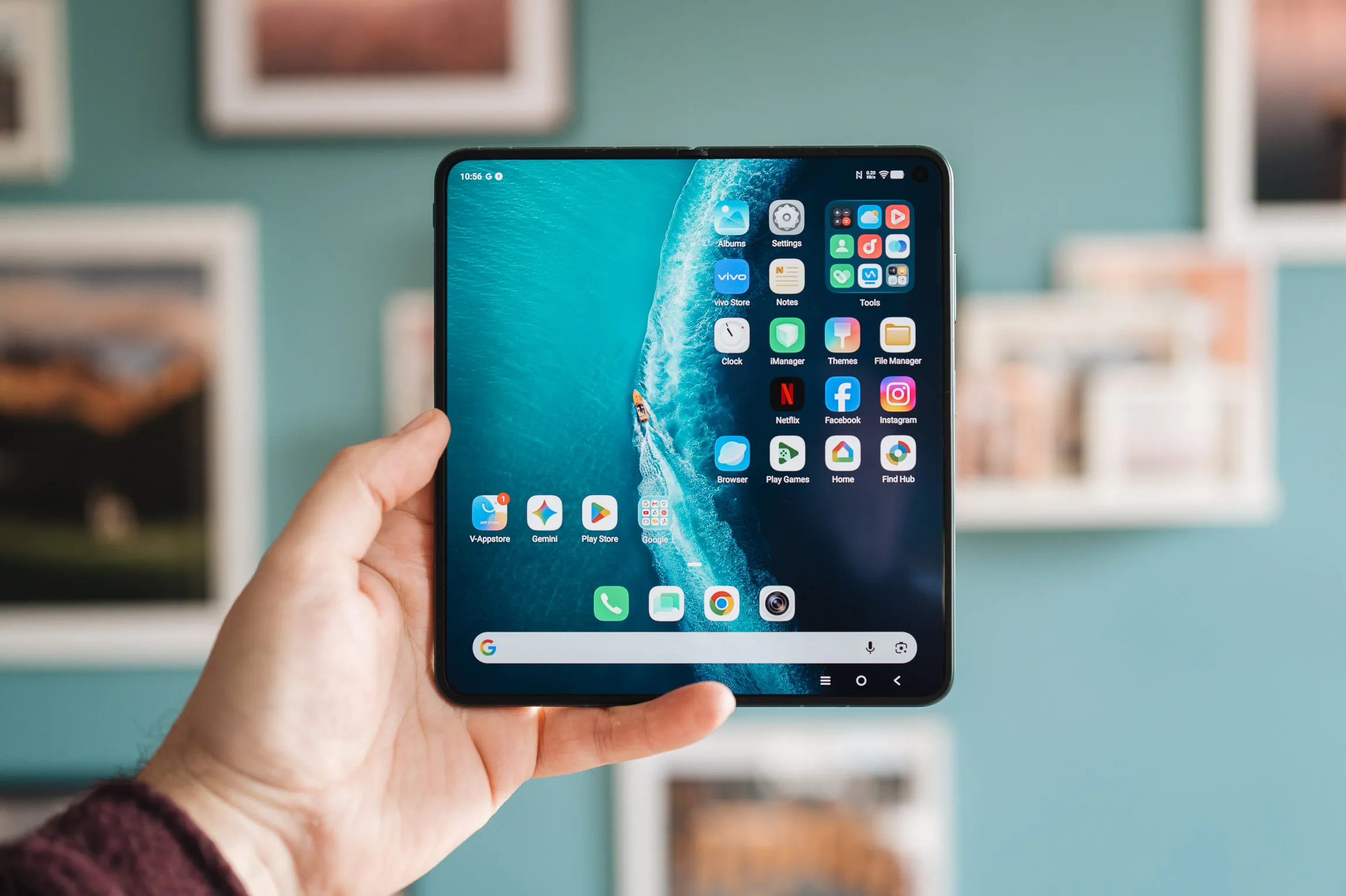
Having spent a few days with Vivo’s new foldable X Fold 6, I can say there’s plenty I like about it, from its solid camera performance to its extremely good battery life. But because I’m shallow and like pretty things, I have to admit that its vibrant blue design with frosted glass back is my favorite thing about this phone.
It’s by no means the first foldable I’ve liked based on looks alone — Oppo’s Find N6 won me over with its punchy orange color and, like the Oppo, Vivo’s foldable is tough to get hold of. It’s not officially sold in either the US or the UK, and while it’s possible to import these phones from resellers in China or the few parts of Europe where it is sold, I don’t recommend doing so as you’ll be left with no customer support should anything go wrong.
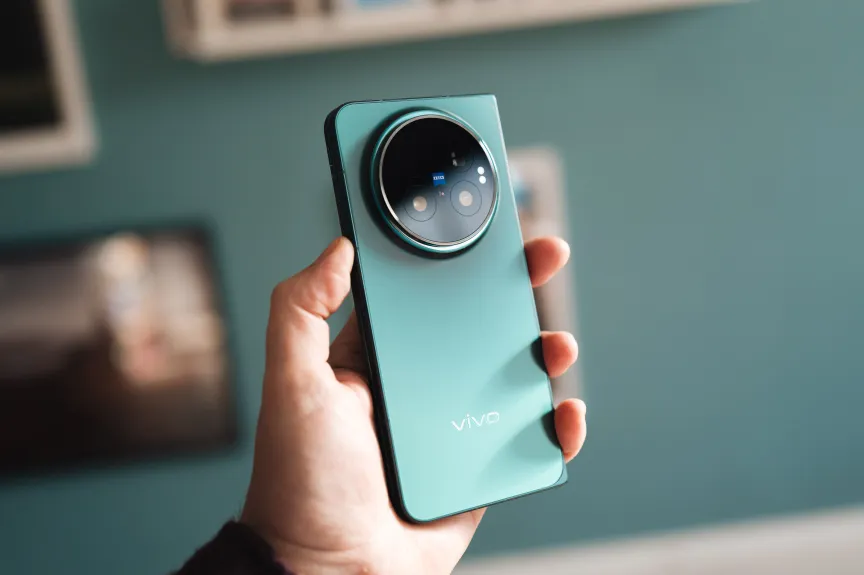
The X Fold 6 is a typical book-style foldable, akin to the Oppo Find N6 or Samsung’s Galaxy Z Fold 8 Ultra. I wonder how much longer we’ll see this format of foldable now that Apple has launched its iPhone Duo with its stumpy “passport” dimensions. Samsung’s Z Fold 8 has the same proportions — as does Xiaomi’s 18 Fold that I saw at IFA 2026 — and it’s clearly becoming the fashionable way to make a folding phone, thanks to its wider internal dimensions that are better for watching videos than the square-format inner screens on the X Fold 6 and others.
This more “traditional” format still has its merits, and Vivo’s new model is a good example. It feels sturdy, and while it’s not as skinny when closed as Samsung’s Z Fold 8 Ultra or Oppo’s Find N6, it’s still svelte enough to slide into a pocket without much issue. It runs last year’s MediaTek Dimensity 9500 processor, which produced decent scores on our benchmark tests, and gaming and multitasking were absolutely no problem here.
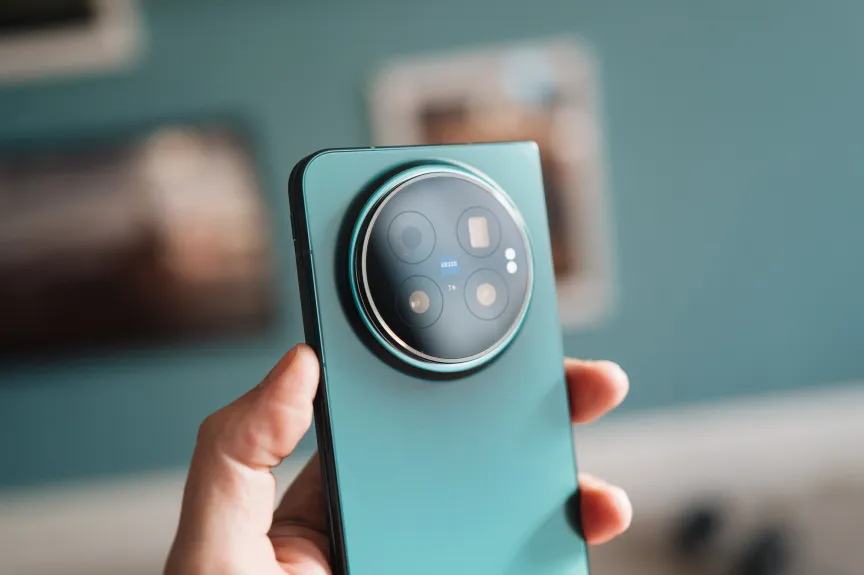
The rear cameras are capable of taking some great-looking shots, thanks in part to the 200 megapixel sensor with high quality Zeiss glass in front of it. I don’t love that there are Vivo watermarks on by default (which I had to crop out of these examples — I subsequently turned off watermarks in the settings). But the main, ultrawide and telephoto cameras can take good photos.



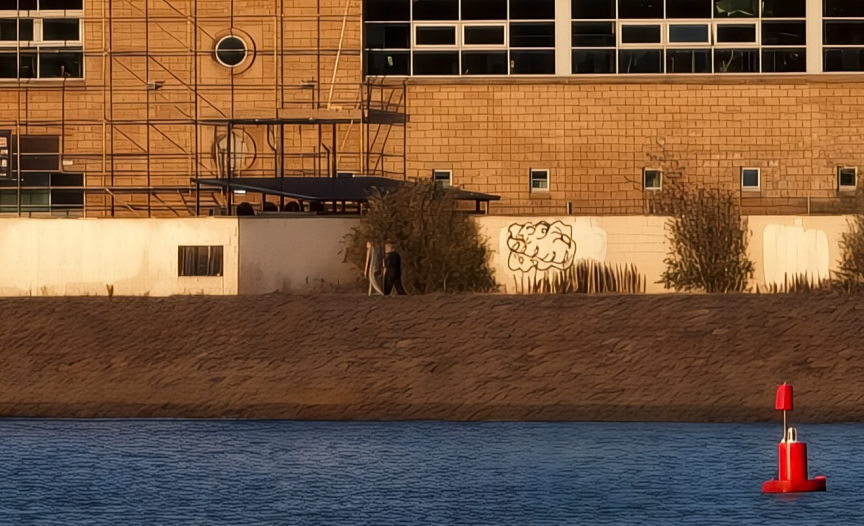

The camera heavily relies on AI-based image processing in the longer focal lengths, resulting in fine details looking more like watercolor paintings, but that’s par for the course for most phones these days. Overall, though, I think the Vivo does a solid job with its cameras, especially for a foldable phone, which typically have watered-down versions of the camera setups from regular phones. This one feels like less of a compromise.
Where it seems to really shine though is battery life. After an hour of streaming YouTube on its massive inner screen at max brightness, it had dropped from full to… well, it was still full. It hadn’t dropped a single percent and only dropped to 94% after the second hour. That’s up there with the absolute best we’ve tested this year, including the iPhone 18 Pro.
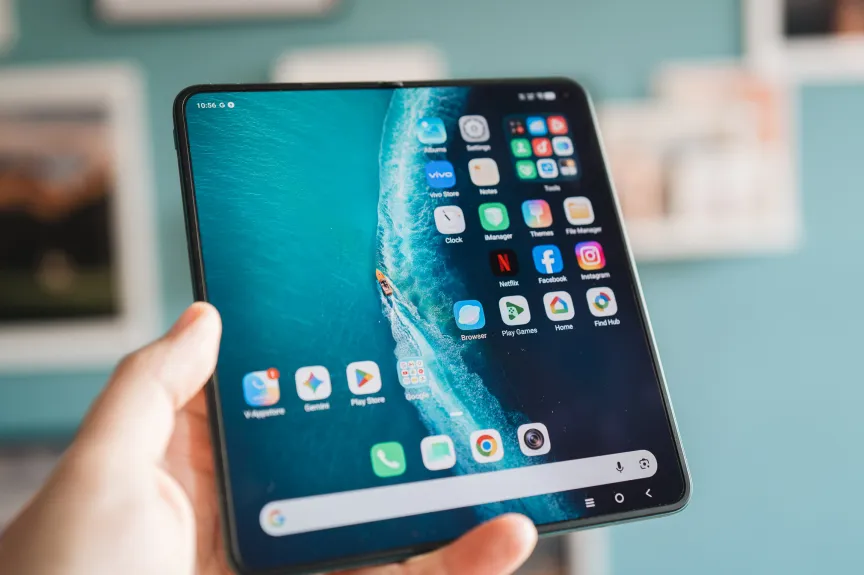
Needless to say, getting through at least a full day of mixed use with the X Fold 6 should be no problem at all, and you probably won’t struggle to get most of the way into the second, as long as you’re careful with what you do.
Need to get some more juice in quickly? No problem, as its 80-watt wired charging means it’ll go from empty to full in around 30 minutes, so long as you have a compatible charger.
The X Fold 6 isn’t breaking any boundaries among foldables — it’s not the slimmest or the most powerful, nor does it have the least visible crease — but it’s a great example of a phone that ticks every box you’d expect from a high-end device. What’s a real shame is that almost none of you reading this will be able to buy it. Sad face.

See full bio
