

….here is the question that Nigerians should be asking: how much do we really know about the money shaping our politics? Wealthy people will always have more resources than ordinary citizens. That is a fact of life. But when their money enters the political arena, the public deserves to know whose interests are being advanced. Nigerians should be able to scrutinise these relationships, question the motives behind political spending and organise to protect their own interests.
Nigeria’s billionaires control assets worth trillions. But now they want to control politics.
This week, Africa’s richest man and Chairman of Dangote Group, Aliko Dangote; Founder and Chairman of BUA Group, Abdul Samad Rabiu; and Femi Otedola, the billionaire son of Michael Otedola, who spent nearly two years as governor of Lagos State before General Sani Abacha forcefully truncated Nigeria’s Third Republic, met privately at a dinner with Obafemi Hamzat, Lagos State’s deputy governor and the All Progressives Congress (APC) governorship candidate tipped to win the 2027 election.
What is surprising is how openly these billionaires have allowed their private meetings to be displayed. Legacy newspapers and social media are often awash with images and video clips from their gatherings. That kind of publicity does not happen by accident. No, they are not the first billionaire businessmen to cultivate relationships with political leaders openly, and Nigeria is hardly the first country where wealth seeks political influence. Of course, rich people, like all other citizens, can exercise their right to express their views, meet elected officials and sway the direction of our politics and elections. But the openness of these encounters, and the scale of the fortunes involved, should make us pay attention. This brazenness raises serious questions about the future of politics, public policy, prosperity and poverty in Nigeria.
It is a quiet but consequential shift. Nigeria has lived with extreme inequality for decades. The difference now is how openly some of the country’s richest businessmen are stepping into the political arena. The World Inequality Report estimates that the richest 10 per cent of Nigerians owned 58 per cent of household wealth in 2021, while the bottom half owned less than 6 per cent. That is the scale of the imbalance we are dealing with. And when people who command such enormous economic resources begin to gather openly around political power, Nigerians have every reason to ask what it means for the future of our democracy.
With billionaires becoming more visible and more brazen in their political engagement, the middle class and working class across the country should begin to think about how they, too, can redefine politics. This is about opportunity and inequality. When billionaires control our politics, can ordinary Nigerians still expect to live a decent life?

The answer is neither here nor there. But think about social opportunities, education and healthcare. You don’t need a fortune-teller to know that very rich people may be more inclined to support cuts in social benefits and programmes that benefit the less fortunate members of society, especially during an economic crisis. They will advance their own interests through tax cuts, which can reduce the resources available for investment in public schools and local healthcare centres.

Many working class and ordinary Nigerians have become cynical about politics. They believe there is little difference between one politician and another. They have become doubting Thomases, questioning whether politics can produce meaningful change. But billionaires do not think that way. They understand that political decisions have consequences for their businesses, their investments and their fortunes. That is why they are choosing to engage, and they are bringing their money with them.
The outsized influence of billionaires in politics can determine what you pay for medicine, how much you pay for petrol and where you can go for recreation. They already own the assets. Now, through their financial relationships with political leaders and parties, they can influence the public policies that govern those assets. This class of billionaires is consolidating political influence, merging economic power with political power, without having to contest a single elective office. And they have their reasons for doing so.
It is possible to admire individual billionaires for their resilience in building businesses. But to ignore the interests of capital in any economy is a grave mistake.
I have encountered a few billionaire businessmen, and I admire their creativity, energy and transformative impact. But I also know that they do not necessarily think about the working class. They are smart thinkers. They think about profit. They are all about margins. So when they enter politics, there are consequences. They are likely to favour policies that do not always align with the prosperity of the poor. For example, we have seen billionaires hobnobbing with the ruling government, suggesting that their political engagement is not evenly distributed across the political spectrum.
Our country faces serious risks when so much money is concentrated in the hands of so few people.
The role that the super-rich are playing in politics should not escape our attention. Their spending on political campaigns raises questions about the kind of democracy we are building and whose interests it will ultimately serve.
Many working class and ordinary Nigerians have become cynical about politics. They believe there is little difference between one politician and another. They have become doubting Thomases, questioning whether politics can produce meaningful change. But billionaires do not think that way. They understand that political decisions have consequences for their businesses, their investments and their fortunes. That is why they are choosing to engage, and they are bringing their money with them.
Voters deserve to know whose money is behind the prime-time messages on their television screens, who is financing political campaigns and whose interests may be served by the policies that follow. A democracy cannot function properly when citizens are expected to judge political messages without adequate information about the interests behind them, just as unequal wealth combined with secrecy in political donations can breed a toxic democracy.
Politicians and political parties should be worried, too. It may only be a matter of time before we see the corrosive effects on democracy when billionaires bring their wealth to bear on political competition. The super-rich could begin sponsoring more candidates into the House of Representatives and the Senate, where they could become a thorn in the flesh of any president whose decisions threaten their interests. They could also seek to influence the outcome of future elections, not necessarily by standing for office themselves, but by determining who gets there and what those elected are expected to do.
But here is the question that Nigerians should be asking: how much do we really know about the money shaping our politics? Wealthy people will always have more resources than ordinary citizens. That is a fact of life. But when their money enters the political arena, the public deserves to know whose interests are being advanced. Nigerians should be able to scrutinise these relationships, question the motives behind political spending and organise to protect their own interests. Without that awareness, the imbalance between wealth and political power will only deepen.
Of course, Nigeria does have laws regulating campaign finance. But the question is whether those laws give voters enough information about the money shaping their politics. The Electoral Act 2026 requires political parties to keep financial records, report contributions, and publish audited election-expense returns. Yet Section 94 raises the threshold for recording a contributor’s name and address from one million naira under the previous 2022 law to one hundred million naira. That is a significant change.
Voters deserve to know whose money is behind the prime-time messages on their television screens, who is financing political campaigns and whose interests may be served by the policies that follow. A democracy cannot function properly when citizens are expected to judge political messages without adequate information about the interests behind them, just as unequal wealth combined with secrecy in political donations can breed a toxic democracy.
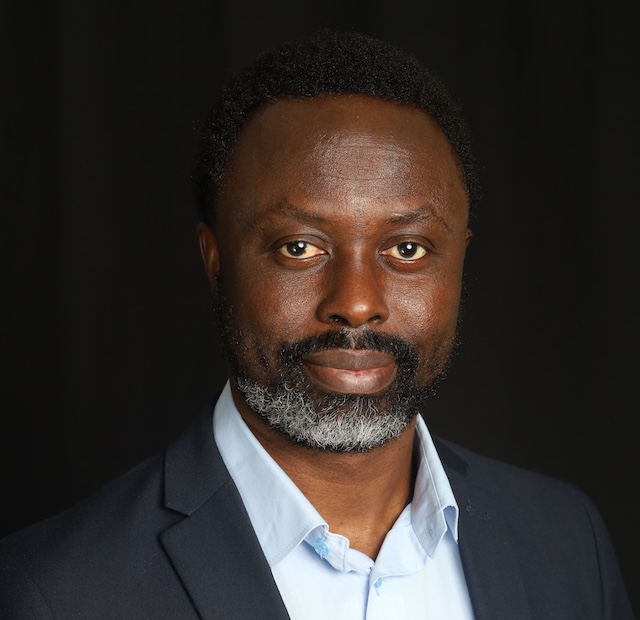
Adeola Akinremi is a public policy advisor, strategic communications expert, and the founder and CEO of Hintells, an AI-powered intelligence platform serving businesses and diplomatic missions in Washington, D.C. He has extensive multilateral experience advising on governance, economic and policy reforms across global markets and can be reached at: [email protected]
Discover more from Premium Times Nigeria
Subscribe to get the latest posts sent to your email.
