

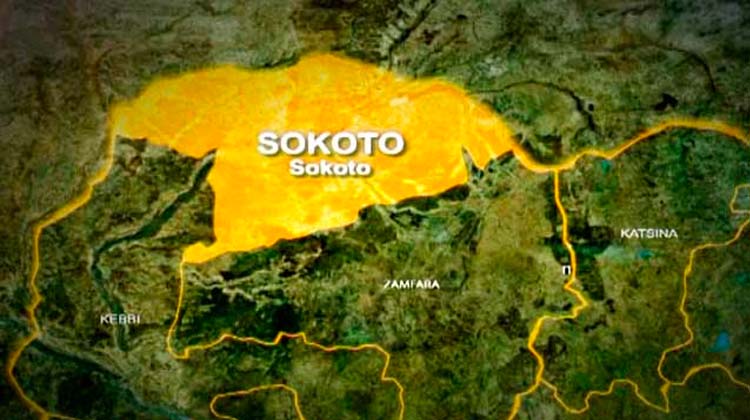
The United Nations Population Fund has partnered with the Sokoto State Government to train 500 young women as community midwives under a scholarship scheme aimed at improving maternal healthcare and reducing mortality in rural communities.
The initiative was unveiled on Tuesday during the 8th Sokoto State Council on Health meeting organised by the state government in collaboration with the United Nations Population Fund and other development partners.
The programme, tagged the Community Midwifery Scholarship and Bonding Scheme in Sokoto State, will see 500 beneficiaries from rural communities receive full scholarships to study community midwifery, with 250 to be enrolled in 2026 and another 250 in 2027. The trainees are expected to be deployed to underserved communities after graduation.
An UNFPA official said the intervention is designed to expand access to skilled birth attendants and strengthen maternal and child healthcare delivery at the grassroots.
Speaking at the event, Sokoto State Governor, Ahmad Aliyu Sokoto, described the intervention as timely and critical to addressing gaps in maternal and child healthcare, particularly in rural communities.
The governor noted that his administration had already taken deliberate steps to strengthen the health workforce, including the recruitment and deployment of over 1,500 nurses and midwives to underserved areas under a mandatory rural posting policy.
“We are fully committed to ensuring that our people, especially those in rural communities, have access to quality and affordable healthcare services,” he said, adding that partnerships with development agencies like UNFPA remain vital to achieving improved health outcomes.
Also speaking, the State Commissioner for Health, Faruk Umar, said the scholarship scheme would significantly bridge the gap in skilled birth attendants and enhance service delivery at the grassroots.
He disclosed that the state is currently recruiting over 2,400 community health workers to further strengthen primary healthcare services and improve coverage across local government areas.
According to him, the council meeting—convened after several years—provides an opportunity to review progress, address systemic challenges, and align stakeholders toward achieving universal health coverage.
UNFPA also pointed to the impact of its family planning support, revealing that the state government’s N30 million investment in child-spacing commodities was matched with N50 million worth of supplies from the agency—interventions expected to benefit thousands of women of reproductive age.
Altogether, the combined interventions—ranging from scholarships and workforce expansion to commodity support—are projected to reach tens of thousands of residents, particularly women and children in hard-to-reach areas.
UNFPA described Sokoto as one of its highest-funded states, with over N4.6 billion earmarked for 2026, reflecting both the scale of need and the potential for measurable impact.
Health experts at the meeting said the growing number of trained personnel and targeted beneficiaries marks a turning point for the state’s health sector, especially in tackling gaps in maternal and child healthcare.
With hundreds of new midwives set to enter the system and thousands of health workers already being deployed, stakeholders expressed confidence that Sokoto is on course to significantly improve its health indicators in the coming years.
