

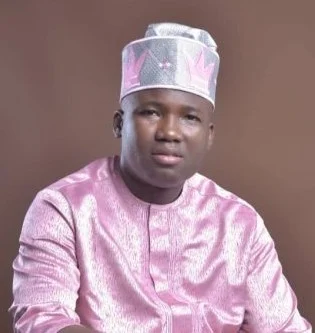
The immediate past vice chairman of the Pharmaceutical Society of Nigeria, Ogun State chapter, Dr. Olumide Obube, has urged families to support people living with hypertension by encouraging them to adhere to prescribed medications and maintain healthy lifestyles.
Obube said family support remained crucial in reducing complications associated with hypertension and improving treatment outcomes among patients.
According to the World Health Organisation, high blood pressure, or hypertension, is when the pressure in the blood vessels is too high (140/90 mmHg or higher).
It noted that hypertension is the major cause of death worldwide, with about 1.4 million adults aged 30-79 worldwide diagnosed with the condition in 2024.
The global health body says the condition is serious and can increase the risk of heart, brain, kidney, and other diseases.
“It is a silent killer and a major cause of premature death worldwide, with an estimated 1.4 billion people living with the condition,” the WHO adds.
Speaking exclusively to PUNCH Healthwise in commemoration of World Hypertension Day 2026, the pharmacist stressed the importance of family support in managing the condition among people living with hypertension.
“Families should support individuals living with hypertension by encouraging medication adherence and healthy lifestyles.
“With such support, we can significantly reduce the burden of hypertension, its complications, and save millions of lives,” the druggist said.
World Hypertension Day is observed annually on May 17 to raise global awareness about high blood pressure. The theme for 2026 is ‘Controlling Hypertension Together: Check Your Blood Pressure Regularly, Defeat the Silent Killer’.
Obube, who is also a public health expert, described hypertension as one of the leading silent health threats globally, warning that many people still suffer avoidable complications because of poor awareness and inadequate treatment.
“Hypertension remains one of the greatest silent threats to global health. This year’s theme highlights the urgent need for awareness, early detection, regular monitoring, and collective action,” he said.
Available data show that about one in three Nigerian adults lives with high blood pressure.
Only about 10 per cent of Nigerians living with hypertension are currently receiving treatment for the condition, according to the Nigerian Hypertension Society.
Experts have consistently raised concerns that many cases of hypertension in Nigeria remain undiagnosed, significantly contributing to the country’s growing burden of non-communicable diseases.
Speaking further, Obube noted that despite being preventable and manageable, many cases of hypertension were still poorly controlled due to unhealthy behaviours and weak healthcare systems.
“Hypertension is preventable, detectable, and controllable. However, millions continue to suffer avoidable complications due to ignorance, poor lifestyle habits, inadequate healthcare access, and poor adherence to treatment,” he stated.
He stressed that addressing hypertension required a collective response from all sectors of society rather than leaving the responsibility to healthcare workers alone.
According to him, governments, healthcare institutions, schools, religious organisations, civil society groups, and families all had important roles to play in tackling the growing burden of hypertension.
“The 2026 theme emphasizes that hypertension control is a shared responsibility. Governments, healthcare institutions, policymakers, civil society organizations, schools, religious bodies, families, and individuals must collaborate to tackle this growing public health crisis,” Obube said.
He further called for increased public awareness on regular blood pressure checks, healthy eating, exercise, and medication compliance to reduce the risk of complications such as stroke, heart disease, and kidney failure.
Copyright PUNCH
All rights reserved. This material, and other digital content on this website, may not be reproduced, published, broadcast, rewritten, or redistributed in whole or in part without prior express written permission from PUNCH.
Contact: [email protected]
