

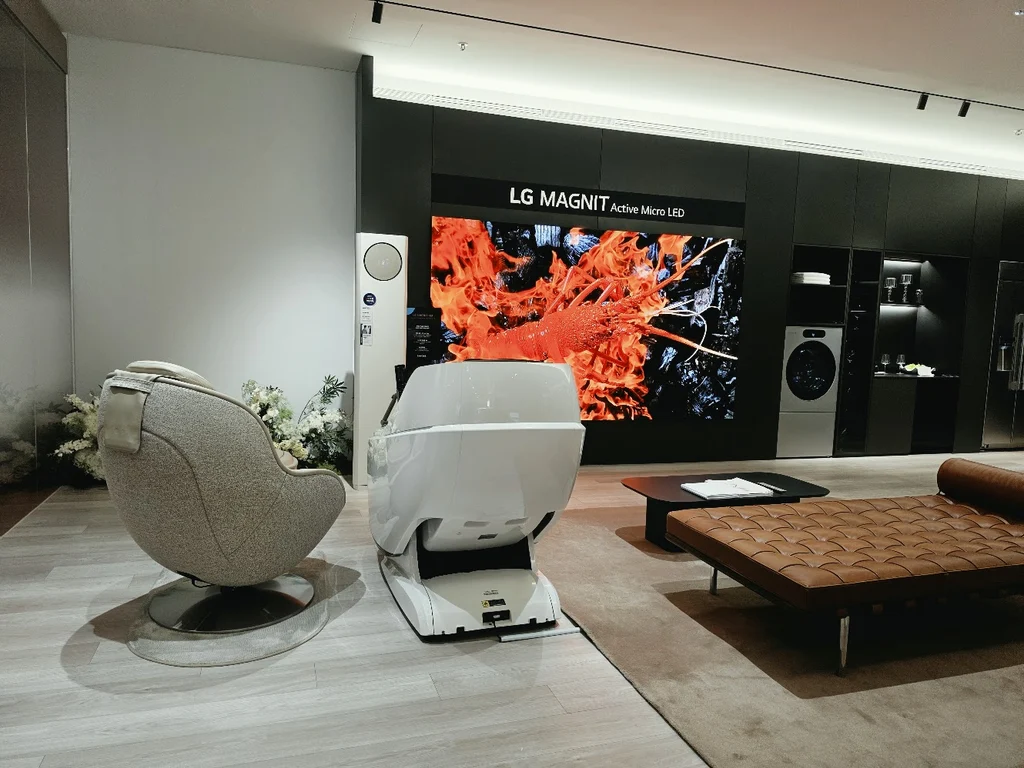
LG leads South Korea’s laundry and refrigeration markets, and is now pushing connected appliances in the Middle East and Africa, where it already sells other products like home entertainment devices. But where power cuts are common, internet access is patchy, and budgets are tight, paying extra for a smart fridge is a hard sell. Wealthier urban households, hotels and developers are the likely first buyers. In this edition of Delve into AI, Kenn Abuya toured LG’s model home in Seoul and its factory in Busan, and asks what manufacturers must prove before the connected home becomes an everyday purchase on the continent.
The curtains opened as I walked into the model home at LG Electronics’ headquarters in Seoul, South Korea’s capital. The lights came on a beat later. Someone from the LG team said a command and the room changed mood, while a washing machine hummed away in the background, doing its thing. The fridge, dishwasher, and air conditioner were all hooked into the same system, and one interface ran the lot.
It’s a neat party trick, and a serious bet. Appliance makers want to be the software layer in your home, not just the thing that keeps your milk cold. Euromonitor puts LG’s 2025 share of home laundry appliances at 44%, ahead of Samsung’s 37%. In refrigeration, it’s 39% to Samsung’s 34%. Both are now fighting over whose platform you’ll use to run it all.
LG wants to sell its connected appliances across the Middle East and Africa, where the conditions look very different. Power can be unreliable, internet access patchy and household incomes tight. Even people who can afford a connected appliance may find half its features useless without a stable connection. Asking customers to pay extra for smart features is a tough sell where a fridge that simply stays on can’t always be taken for granted.
LG’s regional headquarters in Dubai oversees 75 markets across the Middle East and Africa. Its East African operation, based in Nairobi, covers 16 countries across East and Central Africa, according to LG Electronics East Africa.
The company sells everything from basic household appliances to connected models in the region, but does not disclose how many African customers use its ThinQ app, which controls its connected appliances, or how much it earns from them.
World Bank data for 2024 show that 62.5% of Nigeria’s population had access to electricity, compared with 90.2% in South Africa. In Nigeria, Afrobarometer found in 2024 that only 13% of respondents had reliable electricity from the national grid.
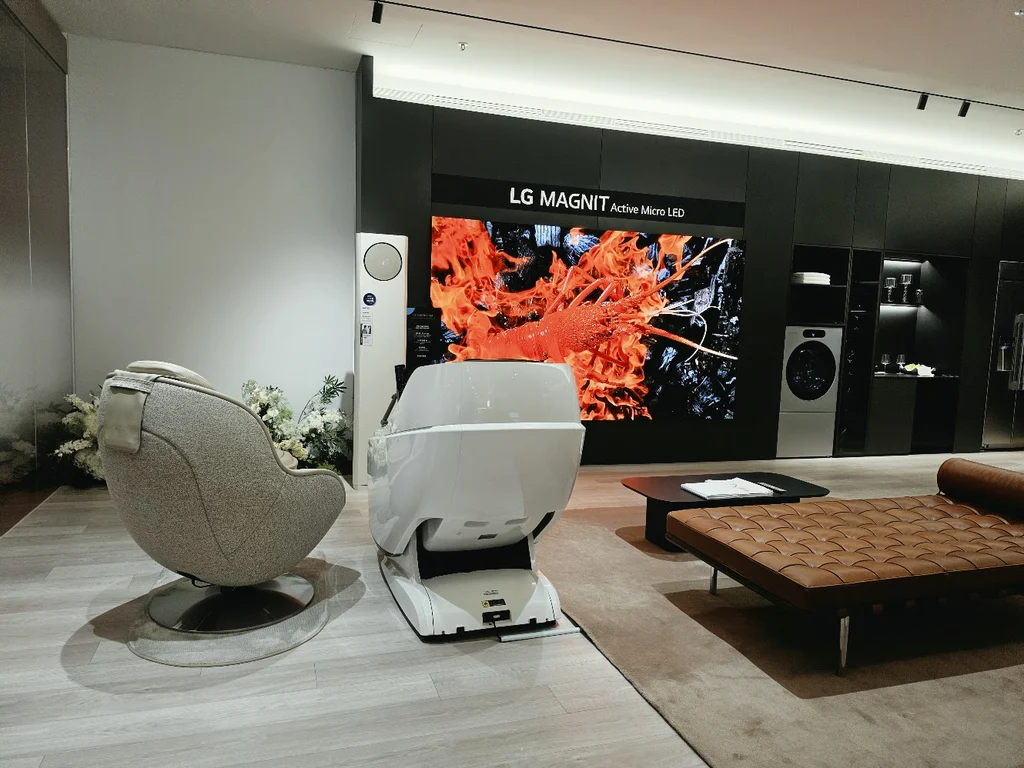
A smart home powered by LG ThinQ services. Image: TechCabal
The model home also raised a question I kept coming back to: what do manufacturers actually mean when they call an appliance AI-powered? Connected appliances can be monitored remotely, switched on or adjusted through an app, and set to send alerts. Some also use data, such as the weight of a laundry load or a household’s usage habits, to suggest settings and tweak how they run.
But connected isn’t the same as intelligent. Curtains that open when you walk in can run on a motion sensor and a pre-programmed routine. A washing machine you can start from your phone is connected, and that’s about it. Even one that weighs the load and picks a cycle may just be working from sensors and preset rules.
Manufacturers charge a premium for the AI label, yet buyers may see little reason to pay extra for features that only work online. In homes that deal with power cuts, the priority is an appliance that keeps food cold or washes clothes once the electricity comes back. Remote controls and automated settings matter less if the machine can’t do its job reliably. Internet access is the same story. A connected appliance can still do its basic work offline, but much of what’s sold as the smart-home experience goes missing.
Juhyun Liu, marketing communications lead at LG’s Home Appliance Solutions, told me the appliances run without an internet connection and work with home automation systems from other manufacturers. Lose connectivity, though, and users lose remote controls, alerts, and data-based settings. The machines can still wash clothes and chill drinks, but they stop being smart.
The limits of the African market
Mobile connectivity is far more common than fixed broadband across much of Africa, while data costs and network quality vary widely by market. For appliances that rely on Wi-Fi, that gap could limit how often people use connected features after they buy the device. Their appeal will depend partly on how well they cope with patchy connections.
Connected features require a compatible appliance and a Wi-Fi connection. Owners can control supported devices remotely, receive notifications, and monitor operation through an app. Much of that is lost in homes that cannot keep a steady connection. Power cuts hit the appliances themselves, whether or not the owner can reach them through the app.
Cost is another hurdle, since smart appliances typically cost more than basic models, and the extra features may not justify the premium. A household buying a fridge is paying, first of all, to keep food cold. Remote temperature monitoring and maintenance alerts come second, especially where budgets are tight.
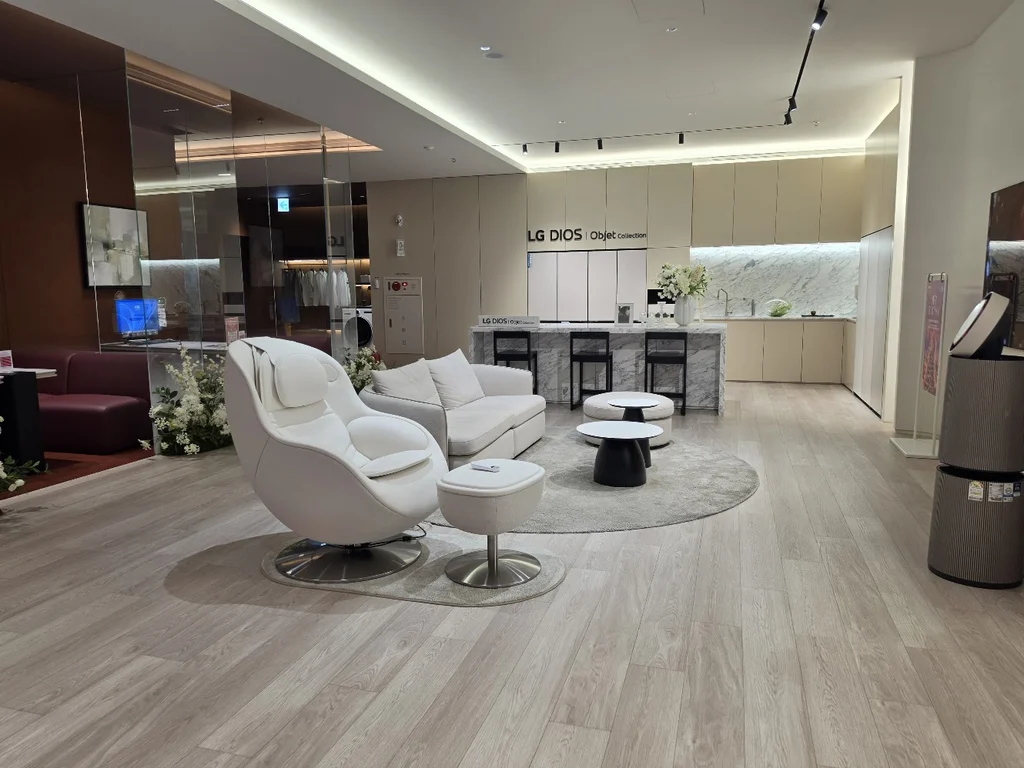
Some of the smart home appliances need a reliable internet connection and power supply to work well. Image: TechCabal
South Africa offers a glimpse of the market available to manufacturers. Statistics South Africa’s 2024 General Household Survey found that 80.9% of households owned a refrigerator, while 88.3% had an electric stove. Internet access reached 82.1% of households. The figures suggest a consumer market with the basic infrastructure and appliance ownership needed to support connected products, although they do not measure smart-appliance adoption.
Nigeria presents a different proposition. About 61% of Nigerians had access to electricity in 2023, according to the World Bank, compared with 87.7% in South Africa, and supply remains unreliable even for those connected. Internet use stands at 45.5% of the population, compared with 79.6% in South Africa, according to DataReportal. Buyers of connected appliances are likely to be concentrated among wealthier urban households and businesses with dependable power and internet.
Hotels, serviced apartments and property developers could also provide a market. Connected appliances can be useful in properties where operators manage several units and want to monitor equipment, schedule maintenance or control energy use. Such customers may find a stronger business case than households buying individual devices.
The factory behind the appliances
LG’s AI push goes beyond what it sells in shops. In Busan, South Korea’s second-largest city, the company showed the visiting media team the factory floor where its appliances are made.
Photography was not allowed on the tour, but the automation was hard to miss. Machines moved parts between stations, took on the repetitive jobs, and kept watch over the line, with few people on the floor.
LG is now selling that technology and skill. In 2024, the company set up a smart factory division that sells factory planning, automation and operations software to other manufacturers, built on the systems it runs in its own plants.
For African countries courting manufacturers, that cuts both ways. Automated plants can lift output and quality, but they need fewer hands and different skills. Kenya, Nigeria, Egypt and South Africa will have to decide what they’re willing to trade for investment.
Copying Busan also takes more than buying machines. It needs steady electricity, workers who can run and repair the kit, and the data infrastructure behind it. Across much of Africa, those are still missing.
Selling a practical benefit
LG must show African consumers that connected appliances are worth the extra cost. Voice-controlled lighting and appliances that communicate with one another may appeal to wealthier households, but lower electricity bills, reduced water consumption and cheaper repairs offer more concrete benefits.
A washing machine that adjusts its cycle to the laundry load could use less water and electricity. A refrigerator that detects faults early could prevent food spoilage and expensive repairs. These are benefits consumers can measure, unlike the convenience of controlling appliances through a phone.
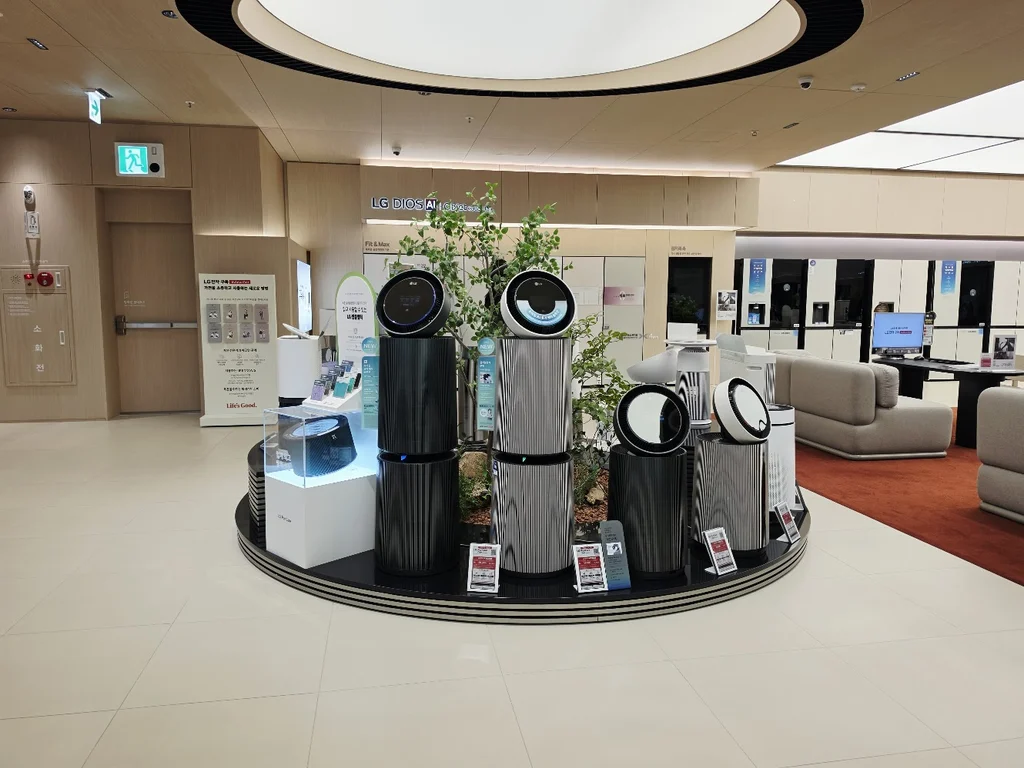
Some home appliance products at a store in Seoul. Image: TechCabal
ThinQ also depends on Wi-Fi for its connected features. Power interruptions, internet costs, and limited support for African languages could restrict its appeal. Pricing will be another factor, particularly where conventional appliances already stretch household budgets.
Early buyers are likely to be wealthier urban households, hotels, and property developers. Reaching beyond them will take lower prices and products that cut bills under local conditions. That isn’t an African problem alone; a fully connected home still isn’t an everyday purchase anywhere. But with shakier grids and tighter budgets, the gap between premium and mainstream could take longer to close here.
