

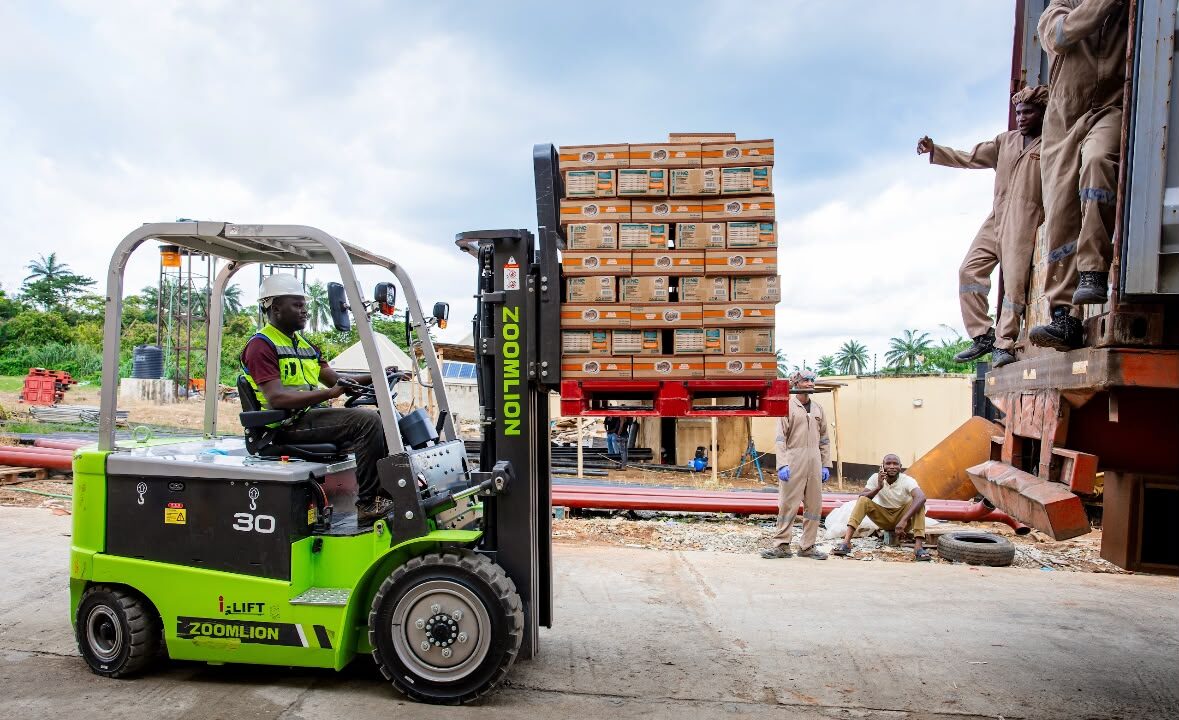
Over the years, Johnvents, a subsidiary of Capitalsage Holdings, has leveraged Nigeria’s agricultural potential to develop an integrated agribusiness spanning commodity trading, agro-processing. In this interview with PREMIUM TIMES, John Alamu, founder and group managing director of Capitalsage Holdings, discusses how Johnvents is transforming Nigeria’s agribusiness landscape through investments in cocoa and cashew processing, vegetable oil production, animal feed manufacturing and other value-added products.
Mr Alamu discusses the experiences that inspired his entrepreneurial journey, the challenges of accessing finance and markets, and the company’s efforts to improve cocoa quality through farmer training, sustainable practices, and access to improved seedlings. He also highlights the need to expand domestic cocoa production, replace ageing cocoa trees and strengthen agricultural processing to reduce Africa’s dependence on raw commodity exports.
Excerpt
PT: What motivated you to go into cocoa-product manufacturing?
Mr Alamu: I started my career at the International Institute of Tropical Agriculture (IITA) in Ibadan. I am also the proud son of a teacher who taught agriculture, and I graduated from the Federal University of Agriculture, Abeokuta. So, when you look at my family background, education and career, you can see that agriculture has always been part of my journey. I began my career at IITA, a research institute, as a monitoring and evaluation specialist. This allowed me to work directly with farmers. At the time, we were not working specifically on cocoa. We worked with farmers cultivating cassava, maize and other crops.
Through our research, farmers repeatedly identified several challenges, but two consistently stood out: access to finance and access to markets. The response to these challenges was often more research, and the cycle continued. I decided not to see these two major problems in the agricultural sector merely as challenges. Instead, I saw them as opportunities to explore. I had several ideas about how to take advantage of these opportunities and turn them into viable businesses. I saw them as ventures I could pursue, and I believe that’s how the company name, Johnvents, came about. Our initial business focused on training farmers in good agronomic practices, buying their produce, and selling it to the market.
From there, we expanded into commodity trading. We supplied maize seedlings and grains to internally displaced persons’ camps to support food security efforts promoted by development finance institutions, the World Food Programme, Catholic Relief Services and other organisations. However, when I started my entrepreneurial journey, I did not limit myself to agriculture. I also established a financial services business called Credit Assistants Investment Limited, which has since grown into Capital State Technology Group.


At one point, I travelled to Akure to market a microfinance bank product. The visit took me to a site beside our current factory in Akure, owned by a cocoa cooperative conglomerate. The cooperative informed me that it had a distressed, moribund factory and was looking for investors. However, I knew nothing about the factory; bushes overgrown it, and the machinery needed attention. That experience sparked my interest. I told them I was willing to acquire the factory. I asked the cooperative for a flexible payment structure and help leveraging its brand. I also requested access to human resources, including engineers who could support the operation. One of the engineers recommended to us was Engineer Gomolu. He is still on our board today as the executive director, technical, at Johnvents Cocoa.
That was how the story began.
We secured financing from the International Finance Corporation to refurbish the factory and acquire new machinery for our Akure operations. From there, we further acquired Premium Cocoa Products in Oyo State. The business became even more interesting as we diversified beyond cocoa.
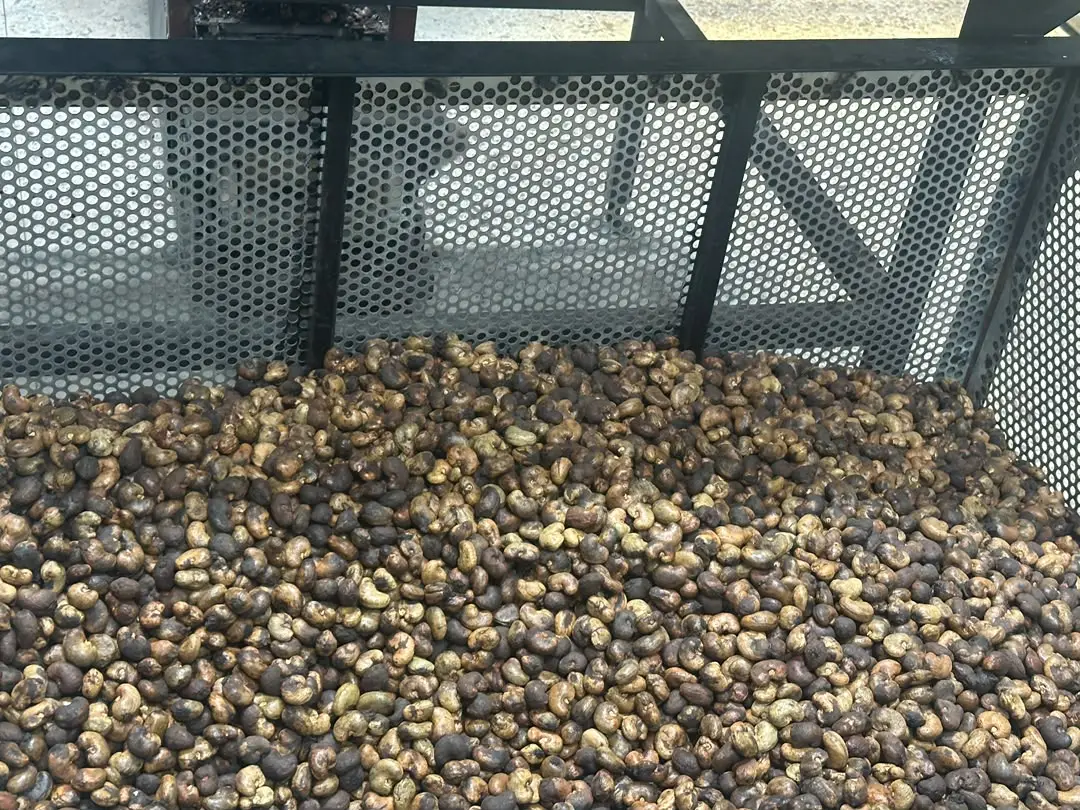
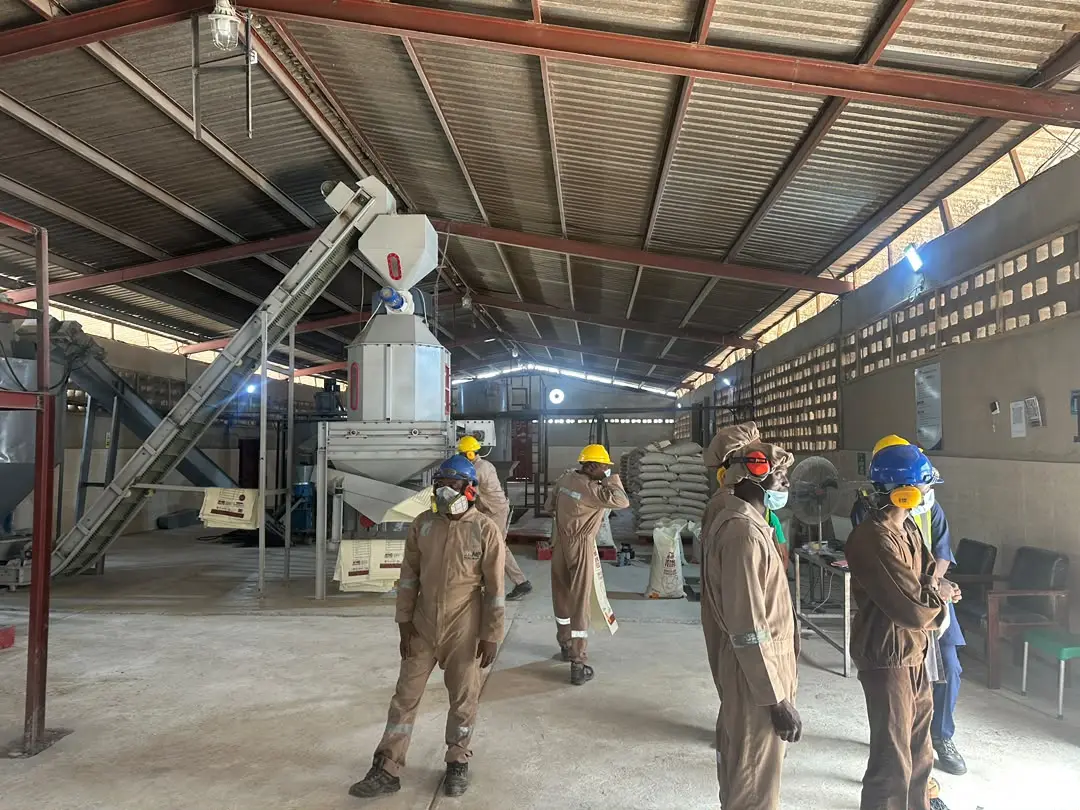
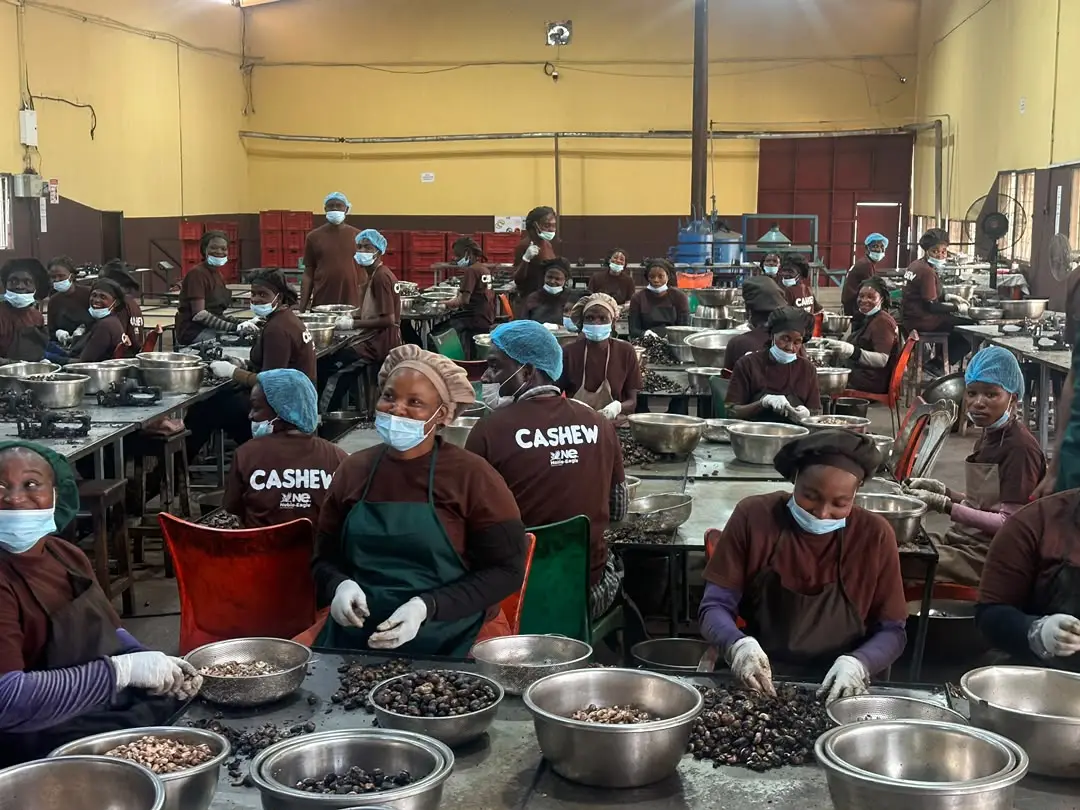
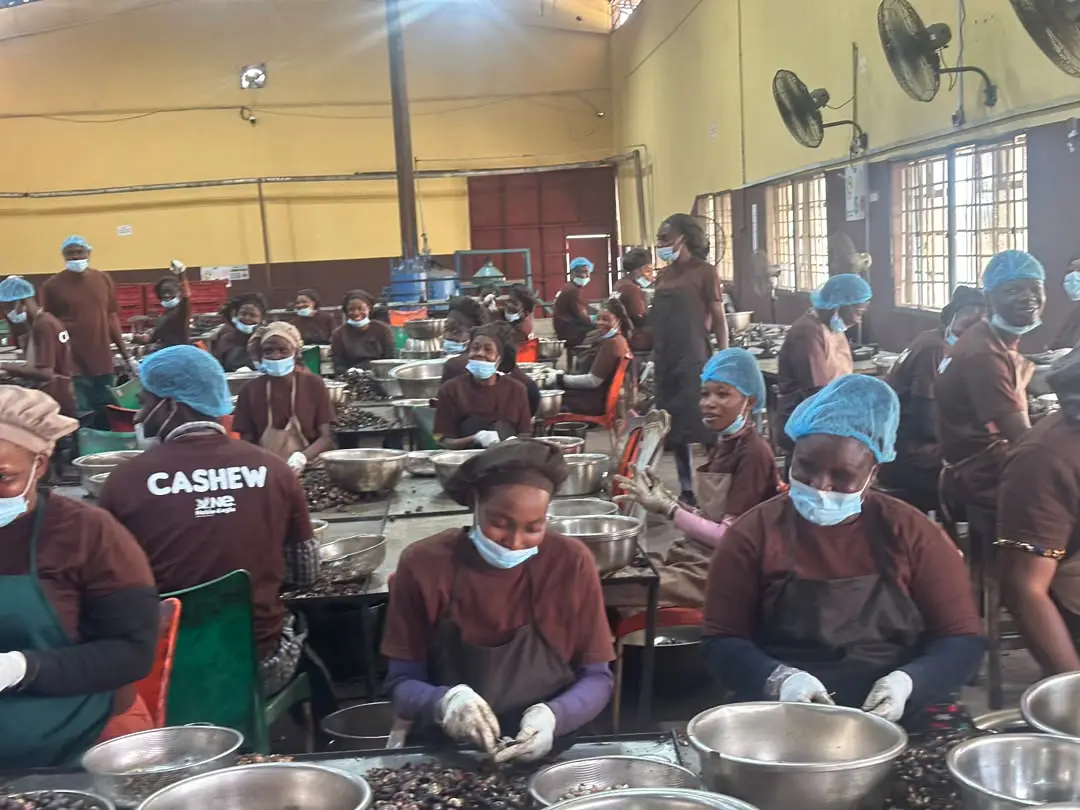
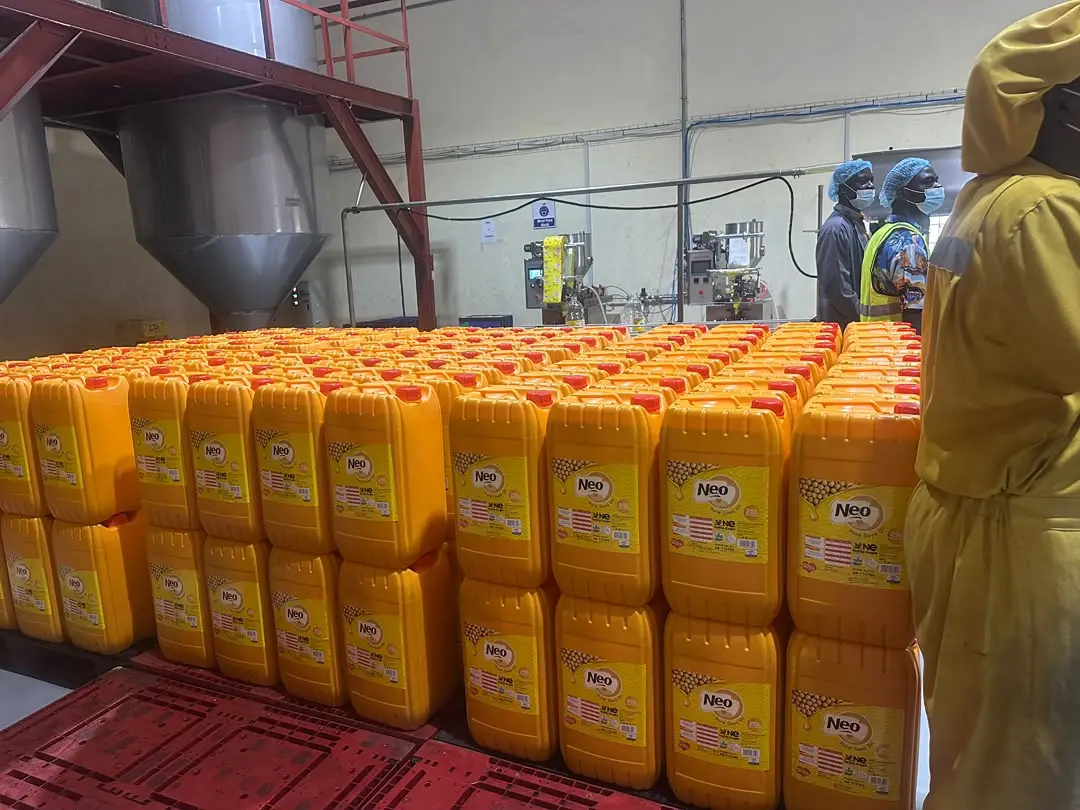
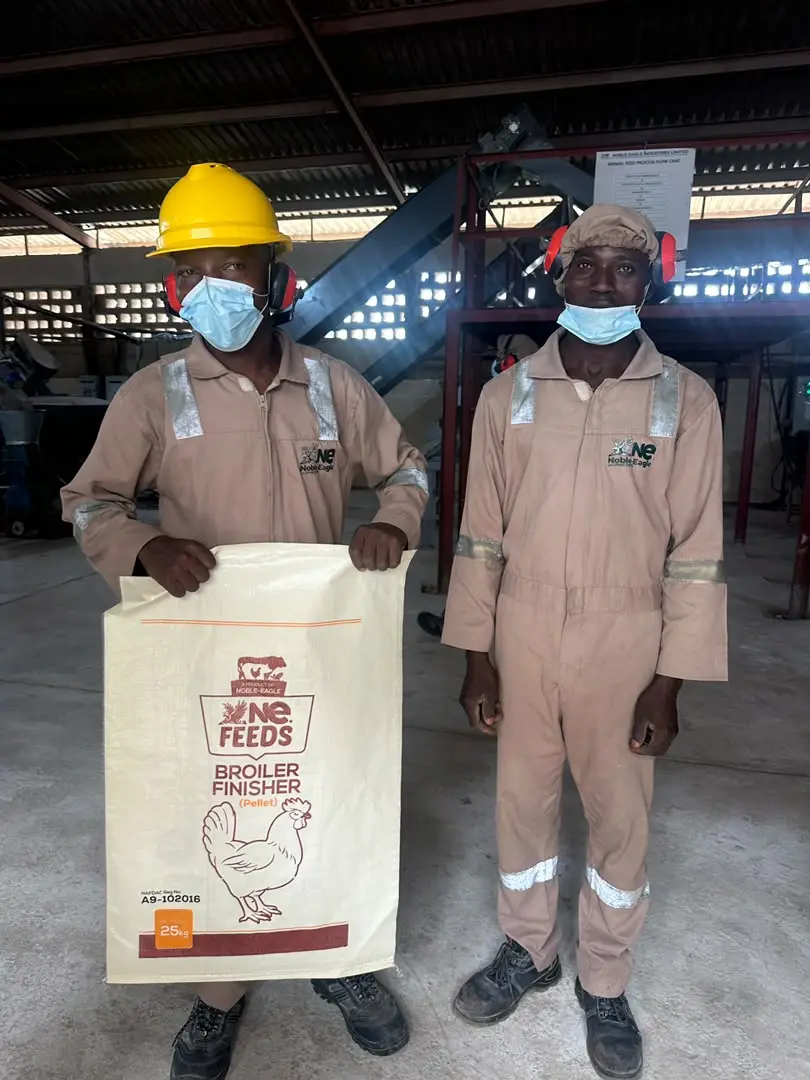
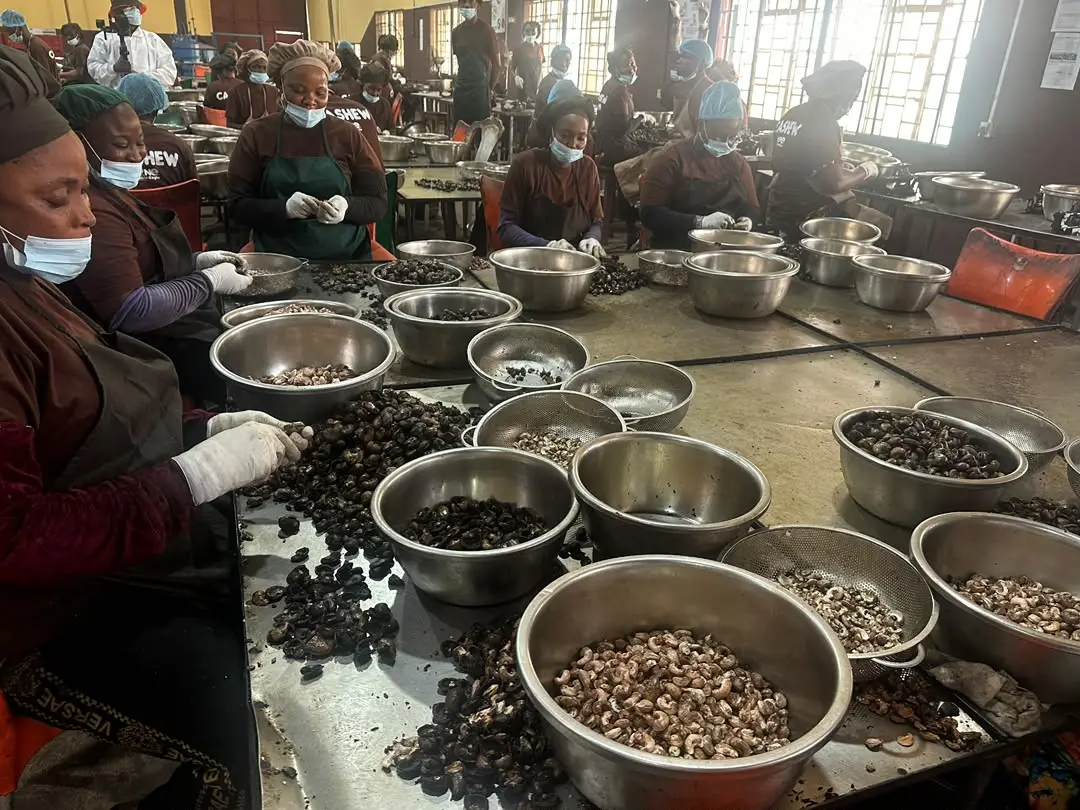
Today, we process cashews at our Ondo State factory, with a capacity of 30,000 metric tonnes. We also have 10 plants in Ondo that process cashews into kernels and shells, process soybeans into soybean oil and soybean meal, and run an animal feed mill.
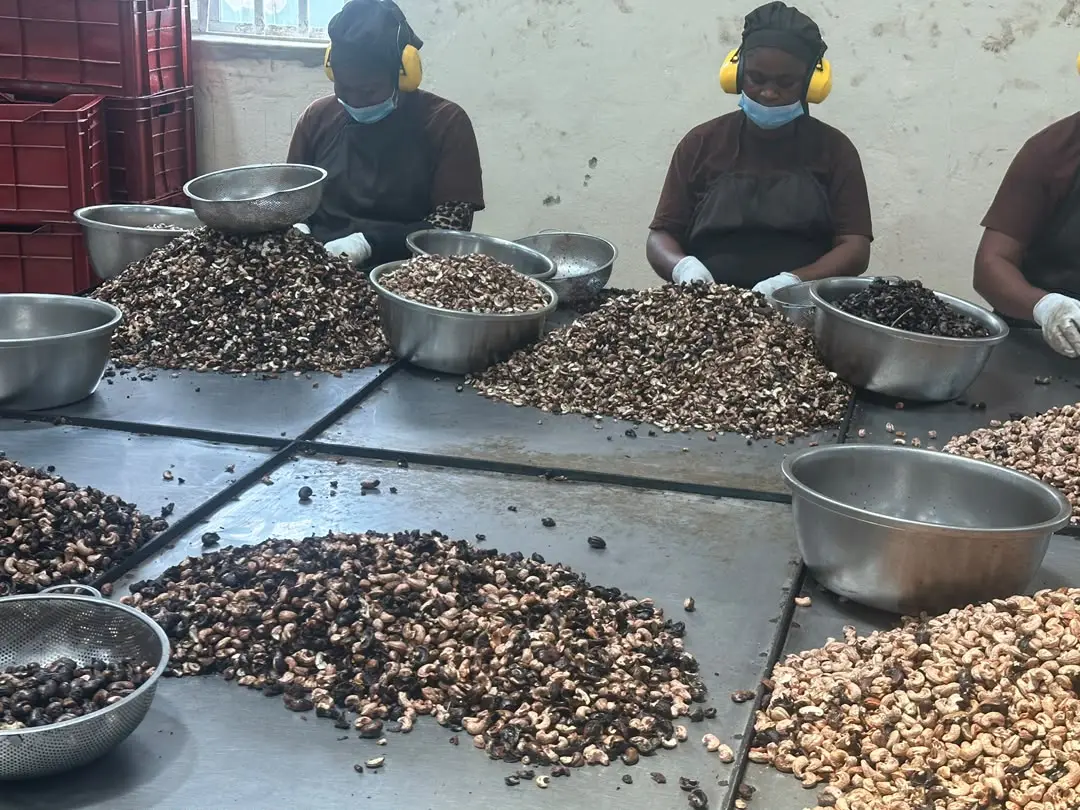
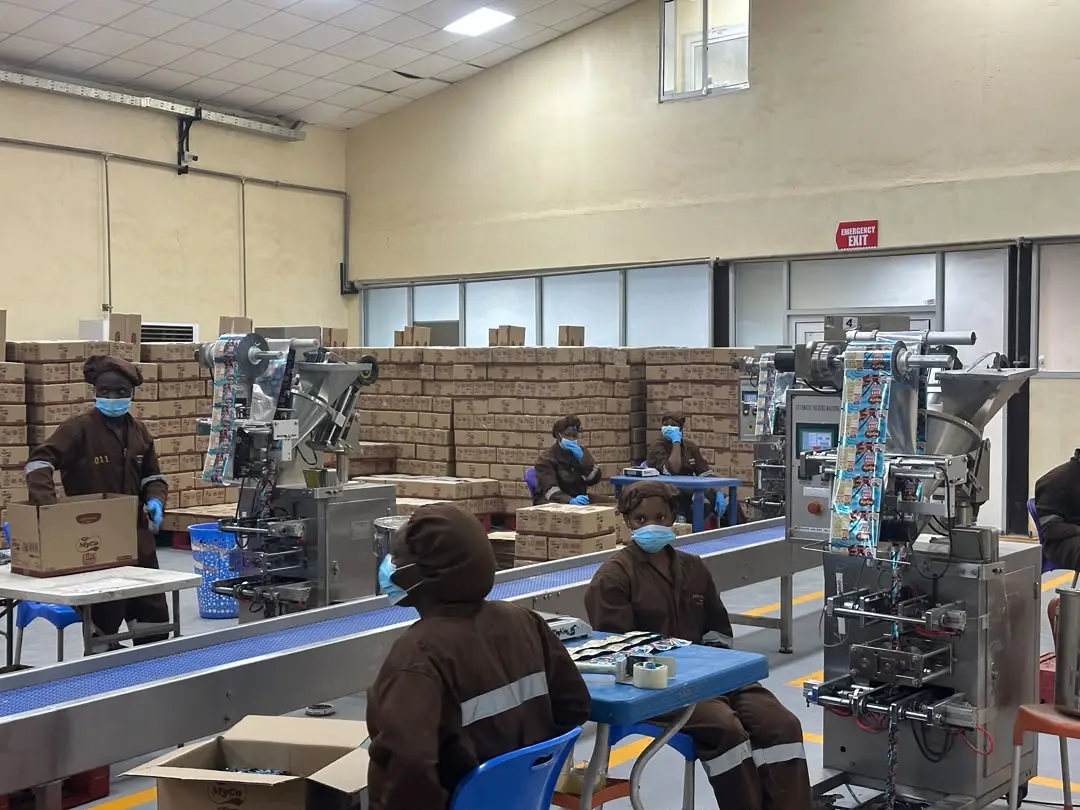
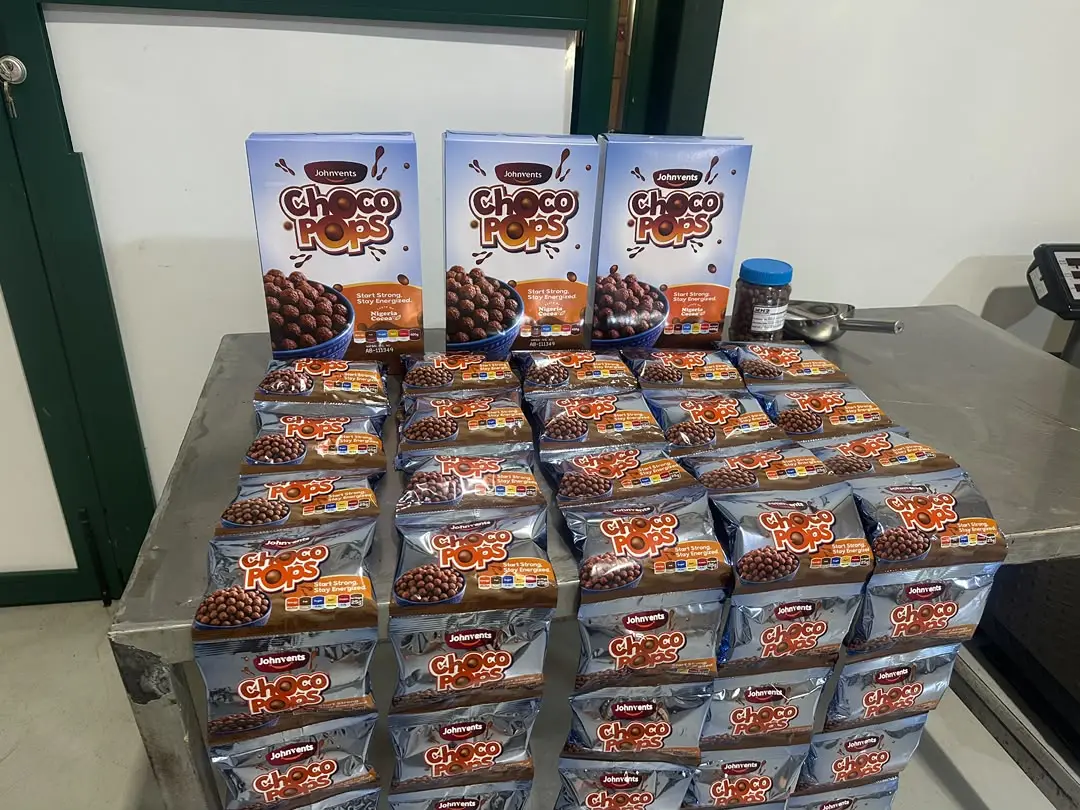
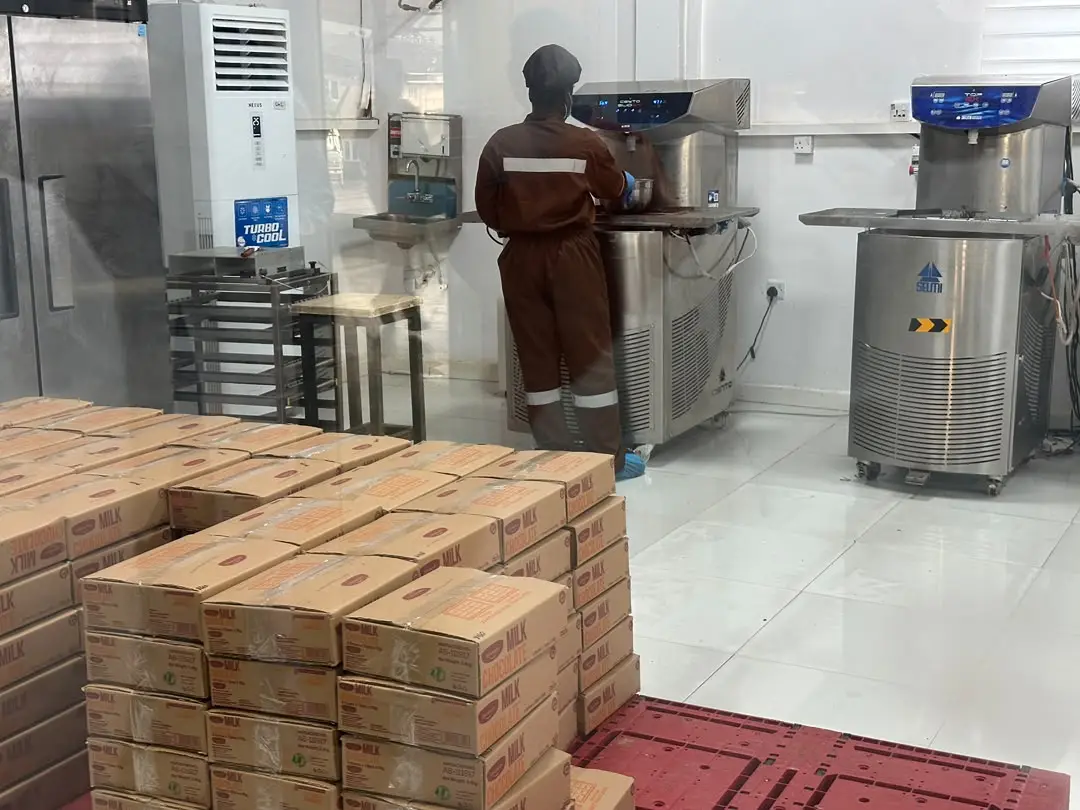
We have also expanded significantly into fast-moving consumer goods (FMCG). We process cocoa into products such as Johnvents Choco Pops, Johnvents Choco Cubes, and Johnvents chocolate, including products for children. We also have our own bottled-water brand.
We operate across the agricultural value chain, including upstream, midstream, and downstream activities. Our vision is to become a truly global and inclusive agribusiness that facilitates global supply chains, particularly in food production and food security. We currently operate in 19 countries, and we plan to consolidate our presence in those markets by transitioning from commodity trading towards agricultural processing. Enough is enough. Africa has spent too much time talking about the need to stop exporting raw commodities. We do not want to join the chorus of complaints. We want to keep building factories and changing that narrative in a significant way.
PT: How do you ensure the quality of your raw materials, given concerns about the quality of cocoa beans sourced in Nigeria?
Mr Alamu: Quality products begin with primary production. It starts on the farm. Johnvents has invested significantly in a robust sustainability programme. I should mention that Johnvents is Rainforest Alliance-certified. This certification validates our sustainability efforts. What do we do for farmers? We link them with relevant agricultural research institutions, including the Cocoa Research Institute of Nigeria (CRIN), which provides access to improved, high-yielding varieties. Gone are the days when farmers had to wait five years for cocoa trees to mature. Some varieties now mature in less than three years, and some reportedly in as little as 18 months. The first step is giving farmers access to high-quality seedlings.
Secondly, through our sustainability programme, we connect them with appropriate financing partners to improve access to finance. We also train them in good agronomic practices.
Today, we have about 40,000 farmers under our programme, making it almost impossible to work with every farmer individually. To address this, we use different strategies. Some farmers are organised into cooperatives, through which we engage with them, while others are connected through our local buying agents. Our farmers and local buying agents are certified, and our factories are recertified as well. Because much of Nigerian cocoa is destined for Europe, we must comply with relevant European Union regulations and sustainability requirements. Our sustainability programme has helped us address these requirements.
A significant proportion of the cocoa we handle is now compliant with the European Union Deforestation Regulation (EUDR).
This involves addressing issues such as traceability and child labour, ensuring that children are not sent to farms when they should be in school. It also covers pesticide residues in crops. Through our training programmes, farmers learn which pesticides to use and the appropriate quantities. These issues previously made Nigerian cocoa less competitive in international markets.
We have a cocoa bean processing capacity of 48,000 metric tonnes. However, Nigeria’s cocoa production is declining, with annual output estimated at 300,000 metric tonnes. One challenge is that our competitors are not just other cocoa processors; they also include raw cocoa bean exporters. Raw bean exporters enjoy shorter business cycles because they don’t need to store large quantities of cocoa in warehouses for extended periods or commit the substantial working capital processors require.
As processors, we must hold stock and tie up capital while waiting to process and sell our products. This puts us at a disadvantage compared with raw bean exporters. We recognise that Nigeria’s cocoa supply may not meet our needs unless the country develops a deliberate agenda to increase cocoa production.
Beyond our sustainability programme, which addresses existing cocoa farms, we are also working to replace old cocoa trees, as many in production are ageing.
We have also developed our own agroforestry model, which we are currently implementing in Ondo and Cross River states. We appreciate the state governments’ support. Ondo State has provided us with approximately 1,000 hectares of land, where cocoa farmers can own plots and establish cocoa farms in line with prescribed quality standards. The Cross River State Government has provided us with approximately 7,000 hectares. We will continue to advocate for support from other cocoa-producing states. We have written to state governments and are awaiting their response. We are ready to work with them to make more land available for cocoa production. Nigeria needs to increase its output to compete with other major cocoa-producing countries. Côte d’Ivoire, for instance, produces more than 1.2 million metric tonnes of cocoa annually, while Ghana produces approximately 700,000 metric tonnes. Nigeria was once one of the world’s leading cocoa producers. I believe we can return to that position by investing in production, improving farm productivity, and expanding the country’s cocoa-growing capacity.
PT: With monthly electricity bills reportedly hitting ₦45 million, how close is Johnvents to transitioning into a fully self-sustained renewable energy model, and what timeline should investors expect for this switch?
Mr Alamu: Energy efficiency and the transition to cleaner energy are strategic priorities for strengthening Johnvents Group’s operational resilience, cost efficiency, and environmental performance. Given the energy-intensive nature of our processing facilities, we are taking a phased, site-specific approach to identifying viable renewable energy solutions.
As reported in our 2025 Sustainability Report, 39.41% of the Group’s energy consumption came from renewable and low-carbon sources. Building on this baseline, we are committed to assessing renewable energy opportunities across our facilities, identifying energy-efficiency improvements and evaluating the technical and commercial feasibility of solutions such as solar power and energy storage.
In parallel, we are strengthening our greenhouse gas accounting by calculating and monitoring our Scope 1 and Scope 2 emissions to understand our emissions footprint better, identify key reduction opportunities, and track progress over time. These insights will help inform our energy transition priorities and support the development of a practical, data-driven decarbonisation roadmap. Our next steps will focus on assessing site-level energy demand, evaluating investment requirements and prioritising initiatives based on their potential to reduce grid dependence, energy costs and greenhouse gas emissions.
While we have not yet established a definitive timeline for achieving full renewable energy self-sufficiency, our immediate priority is to translate this ambition into a structured transition plan with measurable milestones, balancing emissions reductions and long-term cost savings with the reliability required to sustain our operations. Specific targets and timelines will be communicated as the assessments progress and the implementation roadmap is validated.
PT: Credit assessments have highlighted that a significant amount of working capital is tied up in inventory and advance deposits to aggregators. What steps are you taking to, free up cash flow and reduce liquidity pressures during the off-season?
Mr Alamu: Our working-capital requirements reflect the seasonal nature of agricultural procurement. During key crop windows, we strategically secure raw materials to support production and customer demand, with that inventory subsequently processed, sold, and converted into cash. Managing this cycle effectively is therefore a fundamental part of our operating model. Our focus is on maintaining strong discipline across the entire cash-conversion cycle, from procurement and inventory management to production, sales and collections. This includes strengthening demand and procurement forecasting, improving inventory turnover, aligning purchases with production and sales requirements, and maintaining close oversight of receivables.
Given the seasonality of the business, we also seek financing structures that are appropriately aligned with agricultural procurement cycles and the timing of customer and export receipts. Our cash-conversion cycle can extend to approximately 150 days during seasonal peaks, while customer collections typically occur within 25 to 40 days. This reflects the timing between procurement, processing, shipment,ment and collection rather than a uniform funding requirement throughout the year.
Our priority remains to manage this cycle prudently, maintain appropriate liquidity, meet our obligations as they fall due, and ensure that our operations are adequately funded to capture opportunities during critical procurement periods. Any specific financing or capital-management initiatives will be communicated in accordance with our approved financial disclosures.
PT: Insecurity and farmer displacement are major realities in your sourcing regions. How is Johnvents physically protecting its supply chain and ensuring a steady flow of raw materials if critical farming hubs face sudden lockdowns or disruptions?
Mr Alamu: Supply-chain resilience begins with understanding where our raw materials come from, maintaining strong relationships with suppliers and farmer groups, and avoiding unnecessary dependence on a single source or route. Our cocoa sourcing network spans several Nigerian states. This multi-origin approach gives us options to assess changes in local conditions, subject to crop availability, quality requirements, and commercial considerations. We also work through farmer associations, cooperatives and local buying agents, supported by sourcing and traceability processes. These relationships help us maintain visibility into supply conditions and respond when volumes, logistics or access are disrupted. At the operational level, security and emergency planning must be proportionate to the risk and coordinated with relevant authorities and local stakeholders.
We cannot eliminate the wider security risks affecting agricultural communities, and we would not claim that any sourcing model is immune to disruption. Our priority is to identify emerging risks early, assess alternative sourcing and logistics options where appropriate, and protect the safety of farmers, employees, suppliers and transport partners while maintaining responsible procurement.
PT: While your export-heavy model brings in foreign exchange, it also exposes you to intense global commodity-price shocks. What hedging strategies do you have in place to protect Johnvents if global cocoa or cashew prices fall unexpectedly?
Mr Alamu: Commodity-price volatility is a material risk for any processor or player operating in international agricultural markets. Our approach therefore combines disciplined procurement, close market monitoring, careful management of inventory and sales commitments, and a clear understanding of the price exposure at each stage of the trading and processing cycle.
Where export sales and input purchases are denominated in foreign currency, matching exposures and timing can help manage some risks. Still, it does not eliminate the impact of sharp movements in global commodity prices. The appropriate tools depend on the commodity, contract terms, market liquidity, and the group’s approved risk appetite. We assess exposures and commercial commitments to hedge risk, protect margins, and preserve our ability to meet customer and supplier obligations. Our broader priority is to manage exposure prudently, avoid taking risks that are not supported by our operating capacity, and build a resilient business across market cycles.
PT: Johnvents has set a target for 100 per cent traceability and certified sustainable sourcing by 2027. Given your reliance on fragmented independent aggregators, what is the biggest bottleneck holding you back from hitting this deadline?
Mr Alamu: Johnvents has achieved 100 per cent traceability and EUDR compliance across the relevant sourcing scope, representing a significant milestone in strengthening supply chain transparency and responsible sourcing. Our progress reflects continued investment in farm mapping and geolocation, supplier data management, farmer engagement, and monitoring systems. We now focus on sustaining this achievement as our sourcing network and volumes expand, while continuing to strengthen supplier oversight and certified sustainable sourcing across our supply chains. Working with independent aggregators requires consistent data management, verification, and adherence to responsible sourcing requirements across multiple actors and locations. Our published sustainability information also highlights progress in this area, including 122,916 hectares of farmland reported as verified deforestation-free and EUDR-ready in 2025.
Our priority is to maintain the integrity of our traceability systems, strengthen ongoing verification and advance certified sustainable sourcing in line with our 2027 commitment. This will help ensure that our sourcing practices remain transparent, reliable, and aligned with applicable regulatory and sustainability requirements.
PT: Fuel subsidy removal and food inflation have increased transportation costs for smallholder farmers. How is Johnvents ensuring these farmers don’t abandon your network for local buyers who may pay cash upfront without requiring strict compliance?
Mr Alamu: Farmer loyalty cannot be secured by asking farmers to absorb rising costs without support. It depends on whether the relationship offers a dependable market, transparent requirements and value over time. Our long-term cocoa programme aims to support 150,000 farmers by 2030, and our current published disclosures report more than 40,000 farmer partners across our sourcing network.
We are strengthening farmer relationships through training, access to seedlings, cooperative and aggregation structures, traceability support and links to markets. Training and clear communication about quality requirements can also reduce avoidable rejection, delays and costs.
READ ALSO: The missing link in Nigeria’s cocoa value chain, By Ibim Banigo and Raphaël de Perlinghi
Payment terms and transport arrangements are important to farmers’ decisions, so they must be commercially workable and communicated clearly. We should not promise universal farm-gate collection, transport subsidies or immediate cash payment unless those arrangements are available for the commodity and location. Our objective is to build relationships in which responsible sourcing requirements are matched by reliable engagement, transparent processes and a credible route to market.
PT: Large-scale cocoa processing faces growing scrutiny over deforestation and monocrop farming. Beyond providing macro-loans, how are you actively enforcing agroforestry practices among independent smallholders who lack the capital to shift to climate-smart farming?
Mr Alamu: Our approach is to make sustainable farming practical for smallholders, not simply to set requirements and expect farmers to meet them without support. Through our cocoa sustainability programme, we work with farmers on good agricultural practices, climate-smart methods, farm mapping and traceability. We have distributed more than 400,000 cocoa and shade trees since 2022, supporting efforts to improve farm resilience and encourage tree cover within cocoa landscapes.
We have trained more than 8,000 in climate-smart agriculture across Ondo State, and 122,916 hectares have been verified as deforestation-free and EUDR-ready. We use farm-level information and traceability systems to improve visibility of sourcing areas and help identify deforestation risks. These activities complement engagement with farmer groups and supply-chain partners on responsible sourcing.
Enforcement must be paired with practical support. Farmers need guidance on tree management, soil health, farm productivity and compliance, as well as access to seedlings and cooperative structures that can help them share knowledge and resources. We also need to monitor implementation and address non-compliance through our supplier and sustainability processes. We recognise that the transition takes time, particularly for farmers with limited capital, so our aim is to combine clear standards, monitoring and farmer support rather than rely on financing alone.
More photos:
Discover more from Premium Times Nigeria
Subscribe to get the latest posts sent to your email.
