

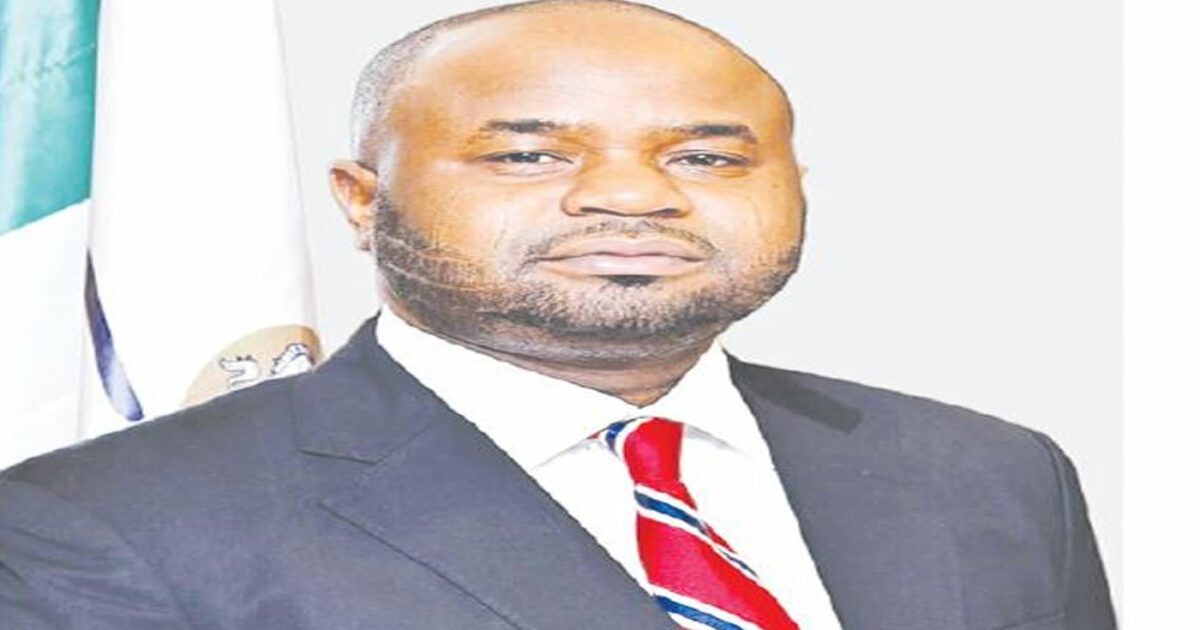

Institutional reform is often discussed in the language of policy, systems, and technology. But at the 2026 Nigeria Revenue Service Leadership Retreat, Executive Chairman Zacch Adedeji shifted the conversation decisively. His opening address was not about structures or strategy documents.
It was about leadership mindset, and why Nigeria’s revenue transformation will succeed or fail based on the beliefs leaders carry into this new era. Adedeji began with an unusual challenge to senior management: to suspend the comfort of familiarity. Titles, tenure, and inherited ways of working, he argued, could no longer be relied upon as anchors in a rapidly changing institutional landscape.
The creation of the NRS, he stressed, represents a clean break from the past, a new era that demands new leadership postures. This transition, he warned, will not be secured by résumés, hierarchies, or institutional memory. It will be secured by the capacity of leaders to adapt, stretch, and lead at a level of excellence that Nigeria’s economic realities now require. What worked in the past, no matter how successful, will not be sufficient for the future being built.
Drawing insight from leadership research, including ideas popularised in Harvard Business Review, Adedeji pointed to a truth often ignored in public-sector reform: leaders rarely fail because they lack intelligence, experience, or strategy. More often, they are constrained by invisible beliefs, deeply embedded assumptions about control, authority, perfection, and responsibility that quietly shape how institutions function.
In large public organisations like the NRS, these beliefs rarely appear as outright resistance to reform. Instead, they present subtly, often cloaked as good intentions. They surface when leadership is equated with always having the answers, resulting in directive management rather than empowerment. They emerge when tight control is mistaken for accountability, creating decision bottlenecks and slowing institutional responsiveness.
They take root when excellence is narrowly defined as uniformity, leaving little room for alternative paths to strong outcomes.
Adedeji was particularly candid in acknowledging how such beliefs can undermine even well-designed reform agendas. Leaders, he noted, may unconsciously expect others to work at their speed, in their style, and according to their personal definitions of quality.
When outcomes differ from expectations, the instinctive response is often to tighten control rather than ask better questions. Over time, this approach erodes trust, stifles initiative, and limits organisational learning.
In a rare moment of public-sector leadership vulnerability, Adedeji reflected on his own evolution. He spoke about how a background shaped by high achievement and perfectionism influenced how he delegated, reviewed performance, and managed accountability. What initially appeared as a commitment to excellence, he explained, often masked a deeper fear of being held responsible for failure. That fear quietly drove rigidity, pressure, and unnecessary mistrust.
His turning point came with the realisation that efficiency does not require uniformity, that excellence does not require replication of one individual’s style, and that leadership is fundamentally about enabling others to rise. Trust, he argued, is not the absence of oversight; it is the deliberate choice to focus on outcomes rather than policing every step of the journey.
This message carries significance beyond the walls of the retreat venue. Nigeria’s fiscal future depends not only on sound revenue policies but on leadership cultures capable of sustaining reform. Systems and technologies can be acquired, but culture is shaped daily by how leaders behave, delegate, and respond under pressure.
For the NRS, the stakes are especially high. The credibility of Nigeria’s revenue architecture, and by extension, confidence in the Nigerian economy, rests on the institution’s ability to function with integrity, agility, and public trust. These qualities cannot be legislated into existence. They must be led into being.
Adedeji’s central argument was clear: before strategies are rolled out and structures redesigned, leaders must engage in deliberate self-examination. Without confronting internal barriers, leaders cannot credibly guide thousands of staff through institutional change. Reform, he insisted, is not first a technical exercise; it is a human one.
As Nigeria stands at the edge of one of its most significant institutional transformations, the lesson from the NRS Leadership Retreat is timely and instructive.
If leaders cling to rigid beliefs and legacy habits, they will unintentionally recreate the very constraints reform seeks to dismantle. But if they lead with humility, courage, and openness, they can build an institution worthy of national trust.
In centring leadership mindset as the foundation of reform, Adedeji offered more than an opening address. He issued a challenge to rethink leadership itself and to recognise that the future of Nigeria’s revenue system will be shaped not only by what leaders design, but by who they choose to become.
- Atoyebi is the Technical Assistant on Broadcast Media to the Executive Chairman of the Nigeria Revenue Service
