


Nigerian companies are accelerating the adoption of digital procurement platforms as they seek to reduce costs, improve transparency in ICT and gain better visibility into supplier risks amid an increasingly complex business environment.
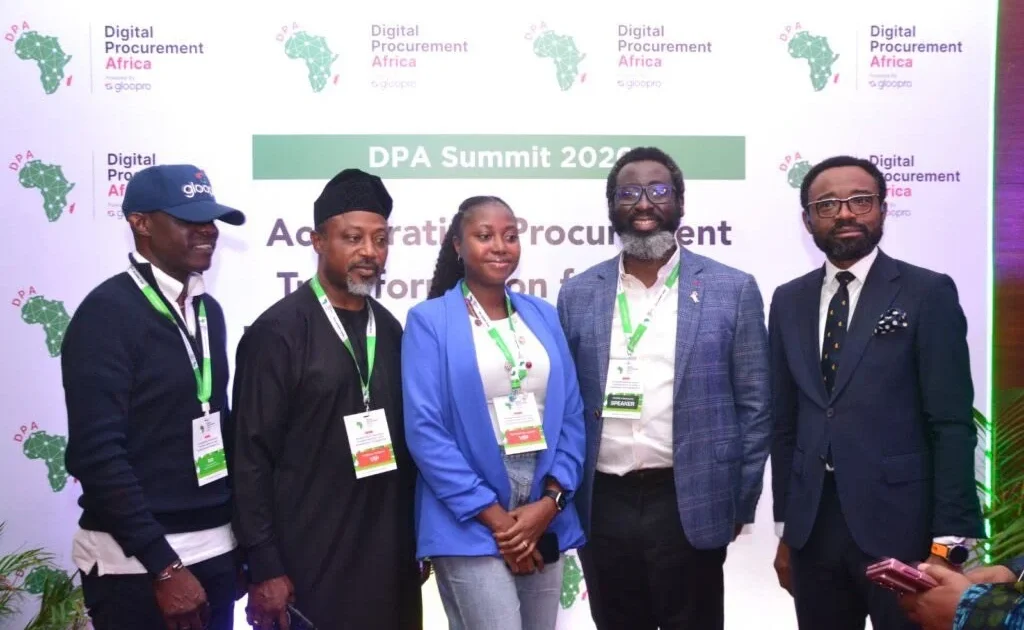
The push toward technology-driven procurement emerged as a key theme at the inaugural Digital Procurement Africa Summit held in Lagos recently, where procurement executives, supply chain leaders and technology providers discussed how digital tools and artificial intelligence are reshaping corporate purchasing decisions across Africa.
The summit, an invite-only gathering of procurement executives from large enterprises, highlighted growing interest among businesses in automating procurement processes that have traditionally been handled through fragmented manual systems.
Executives said procurement is evolving from a back-office administrative function into a strategic business capability that can improve operational efficiency, strengthen supplier management and deliver measurable cost savings.
“Accelerating digital procurement in large enterprises in the digital era” was the theme of the event, with speakers underlining the need for organisations to embrace technology to manage spending more effectively and respond to growing supply chain challenges.
Speaking during the summit, Chief Executive Officer of Gloopro, Olumide Olusanya, said many organisations continue to struggle with what procurement professionals describe as ‘tail spend’, the large volume of low-value purchases that often fall outside formal procurement controls.
According to him, these purchases collectively account for a significant portion of corporate spending but frequently lack the visibility and governance applied to larger procurement contracts.
Olusanya said digital procurement platforms can help organisations centralise purchasing activities, improve supplier oversight and reduce inefficiencies associated with manual procurement processes.
He said companies adopting procurement-as-a-service models can access procurement capabilities through specialised platforms rather than building and maintaining large internal procurement teams.
The model, he said, enables businesses to reduce procurement costs, shorten procurement cycles and improve compliance while retaining visibility over spending decisions.
The growing role of artificial intelligence in procurement also featured prominently during discussions at the summit. However, speakers cautioned that AI adoption must be preceded by efforts to digitise procurement data and improve data quality.
Olusanya argued that while AI offers significant potential, many organisations across Africa are still in the early stages of digital transformation and must first establish reliable digital records before advanced AI tools can deliver meaningful results.
“AI is based on data,” he said, noting that organisations must first move procurement processes into a transparent digital environment before they can fully benefit from automation and predictive analytics.
Another major focus of the event was supplier risk management, particularly the challenge of assessing smaller suppliers that form part of large corporate supply chains.
The summit also featured a panel session moderated by Stephen Adeloro, National Coordinator of the Africa Centre for Supply Chain, which brought together procurement and supply chain executives from some of Nigeria’s leading companies to discuss the realities of digital procurement adoption.
Panellists included Chief Operating Officer of Berger Paints Nigeria Plc, Kayode Momoh; Division Manager, Supply Chain and Procurement; Modupe Oyeneyin, and Group Director, Supply Chain at Flour Mills Nigeria Plc, Cephas Afebuameh.
Director at Moody’s, Raphael Ikonagbon, said many organisations have strong visibility into their primary suppliers but limited information about second- and third-tier vendors, creating blind spots that can expose businesses to financial, operational and compliance risks.
The executive said the integration of procurement data, payment behaviour, transaction history and credit intelligence is becoming increasingly important as companies seek to strengthen supply chain resilience.
According to Ikonagbon, procurement data remains one of the most underutilised sources of business intelligence despite its potential to reveal supplier performance patterns, financial dependencies and emerging risks.
Panel discussions at the summit also explored how organisations can use technology to improve procurement governance, strengthen supplier relationships and support business growth.
Participants included procurement and supply chain executives from major Nigerian companies, reflecting growing recognition that procurement efficiency can have a significant impact on corporate profitability.
Organisers said interest in the event exceeded expectations, underscoring the increasing importance of digital procurement among African businesses seeking to modernise operations and improve competitiveness.
