

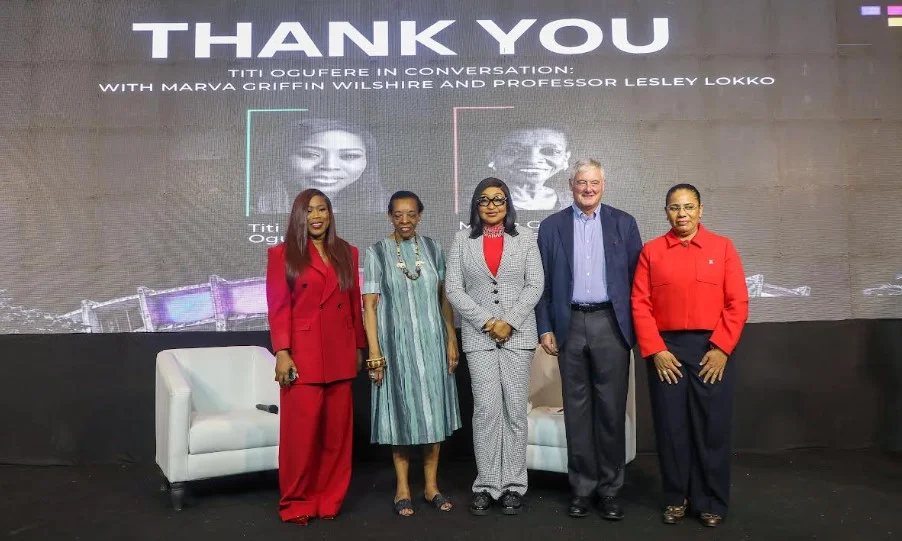
Stakeholders in the design and creative industries have called for increased financing, improved design education and stronger collaboration between manufacturers and designers to transform Africa’s creative talent and locally sourced materials into commercially viable products.
They made the call at the official press briefing of Design Week Lagos 2026, held in Lagos on Thursday, where industry leaders stressed the need to move beyond celebrating African creativity to building sustainable businesses capable of competing in local and international markets.
The event, which runs from October 18 to 25, has the theme, “Making a New Africa: From Material to Market.”
Speaking at the briefing, the founder of Design Week Lagos, Titi Ogufere, said the platform was established to address gaps in Nigeria’s design industry, including inadequate professional training, limited product development and insufficient collaboration between designers and manufacturers.
Ogufere said the industry had significant economic potential but remained underdeveloped despite Africa’s abundance of raw materials and mineral resources.
“We saw a gap in the market because we saw that we don’t have qualified designers in the market. Also, a lot of the manufacturers are not designing with new ideas,” she said.
She explained that the initiative had been working with manufacturers and designers to develop products while showcasing established Nigerian brands and emerging ideas across furniture, textiles and industrial design.
According to her, the Made by Design Show brings established brands together in one location, making it easier for consumers and industry professionals to discover locally available products.
“The power of design in Africa is underestimated. People don’t know that design is everywhere,” Ogufere said.
“Our streets, our city, everything we do is designed. So the way Lagos is and the way Nigeria is, is because it was designed.”
She said developing products from locally available resources could strengthen manufacturing, create jobs and generate sustainable wealth across the continent.
“The West was built by inventors, people that built from television, airplanes, and things. And if we can get this right in Africa, with all our raw materials, all our mineral resources, we will fly,” she said.
Ogufere also called for increased government investment in design education, research and the development of local materials into marketable products.
She disclosed that Design Week Lagos had supported efforts to strengthen design education through university partnerships, curriculum development and incubation programmes for architects, engineers, National Youth Service Corps members and other aspiring designers.
However, she expressed concern about limited institutional support for some of the initiative’s activities, including the Design and Innovation Exhibition, which provides emerging designers with opportunities to develop prototypes and establish connections with manufacturers.
She said the organisers had continued to invest in the exhibition because of their belief in the economic potential of the design industry.
“We believe in what we’re doing, and we believe that, as we keep on pushing, the government will hear us, and they’ll support us more,” she said.
Also speaking, Executive Director of Zenith Bank, Adaobi Nwapa, said Africa had never lacked creativity but needed the structures, financing and partnerships required to turn creative potential into sustainable businesses.
According to her, the challenge facing many creative entrepreneurs is not necessarily a lack of talent but limited access to the systems needed to grow their businesses.
“Talent gets you noticed. The structure gets you financed,” Nwapa said.
She added that building effective business structures could help creative enterprises expand, employ more people and contribute to economic growth.
“When we build those systems or structures, a craft becomes a company, a company becomes an employer, and thousands of such companies become an economy,” she said.
Nwapa urged creative entrepreneurs to formalise their businesses, separate personal finances from business funds, maintain proper financial records and build teams capable of sustaining operations beyond their founders.
She also called on larger businesses to support local manufacturers by purchasing their products and honouring agreed payment terms.
According to her, collaboration among financial institutions, manufacturers, government agencies and creative professionals would be essential to helping Nigerian designers access wider markets.
The banker further highlighted Zenith Bank’s Z-Women initiative, which supports female-owned and female-led businesses through financing, mentorship, capacity building and networking opportunities.
She said investing in women entrepreneurs could strengthen businesses while generating wider benefits for families and communities.
In her remarks, Marva Griffin, Ambassador of International Relations for Salone del Mobile. Milano and founder-director of SaloneSatellite, called for stronger partnerships between Nigerian educational institutions and international design schools to develop the next generation of designers.
Griffin said design education was fundamental to building a sustainable industry, urging stakeholders to invest in young people and create opportunities for international exposure.
She noted that SaloneSatellite had hosted participants from more than 350 universities and design schools over its 27-year history, while expressing concern about the limited participation of African institutions.
“I have tried to get African schools in Salone Satellite, and I don’t know why this has not become possible,” she said.
Griffin urged Nigerian stakeholders to establish partnerships with international institutions, noting that such collaborations could expose students to new ideas, technical expertise and opportunities to develop commercially competitive products.
“You should create a team of professors and try to have a joint venture with schools, international schools,” she said.
She described Design Week Lagos as an important platform for advancing Africa’s design industry and strengthening connections between local talent and international opportunities.
The 2026 edition brings together designers, manufacturers, creative entrepreneurs and other industry stakeholders to explore ways of strengthening the relationship between design, production and commerce.
The stakeholders said improved design education, accessible financing, stronger local manufacturing partnerships and better market access would be crucial to converting Africa’s creative potential into sustainable businesses, jobs and wider economic opportunities.
