

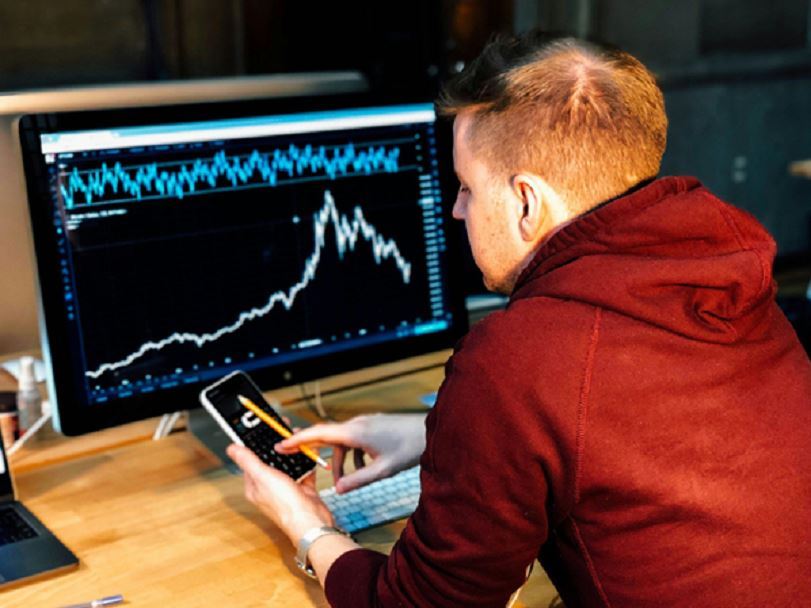
Big market moves are hard to miss. Prices spike or plunge, headlines explode, social media goes wild with hot takes, and anyone watching starts to wonder, “Am I missing something huge?” But then you see some successful traders just sit and watch. No sudden trades, no jumping in. To someone newer, it seems unwise. Why let an obvious money-maker slip by? The thing is, experience changes the way you see these wild price moves. Just because something looks exciting does not mean it is a good trade. Sometimes, doing nothing is actually the smartest move you can make.
Not Every Big Move Is a Good Setup
One of the first lessons you pick up as a trader is that the big move doesn’t mean there is a trade there for you. Markets move for all kinds of reasons – maybe there is some surprise economic news, a company’s earnings shocked everyone, a central bank made an announcement, politics got messy, or just a sudden shift in mood. Yet, by the time you even notice the big move, it is often fading. For example, you see a stock up 8% in just a few hours. If you are watching from the sidelines, the next thought is usually, “I should have bought it earlier,” which quickly turns into, “I will just hop in now, and it will keep going.” The problem is, jumping in late means you are risking way more than the people who were there at the start.
With enough experience, traders get it. The urge to chase price, basically turning FOMO into action, usually just leads to losses. They would rather hang back, let things settle, and look for a smarter entry. It is not just stocks. The same idea applies across markets, including cryptocurrency trading. Crypto can move especially fast, so the temptation to jump into a strong rally gets even heavier. However, if you have watched enough cycles, you know that fast moves can reverse just as fast.
Sometimes the Risk Is Simply Too High
Another reason experienced traders will shrug off those giant moves is that they think about risk way before they even think about profit. A market can look incredibly attractive after a dramatic move. But sometimes, the entry is poor because the stop-loss is far away, volatility is spiking, or there is no clear point where your original idea becomes invalid. Suddenly, the seemingly attractive reward just does not stack up against the risk. Learning to think this way takes years. Most beginners obsess over what they could make if the price keeps running. More experienced traders cut straight to the hard question: “What if this goes against me?” That tiny shift changes everything.
Then, there is uncertainty. Suddenly, the market is moving fast, but is this the start of something big or just the blow-off top? If you do not know, you are basically guessing. Waiting for clarity feels awful, especially while prices keep racing. However, missing out hurts way less than forcing a bad trade simply because everyone else is talking about it.
Discipline Matters More Than Being First
With experience, traders stop believing they have to catch every move as it is happening. There will be more chances, always. However, that is tough for beginners. Watching a rally while you sit on your hands feels like everyone else is cashing in except you. That is when impulsive trades happen.
Pros see it differently. They know some trades will happen without them and that’s fine. The real goal is sticking to trades that actually suit their strategy. Maybe you are watching a breakout and waiting for a pullback. Maybe you want confirmation the trend is real. Maybe you just decide it is gone too far and look somewhere else. None of that means you failed to spot the opportunity. Usually, you spotted it just fine; you just thought the risk was too high.
The Market Will Always Offer Another Chance
The biggest thing experience gives you is patience. Once you have watched enough crazy rallies, drops, and fake breakouts, you stop getting dazzled by single moves. A big price candle does not make you panic. Now, it is just another piece of information, something you weigh along with volume, volatility, where traders are positioned, and your own plan.
That does not mean experienced traders ignore all big moves. However, they do not trade just because drama is happening. In the end, trading is not about showing off that you always catch the biggest moves. It is about making decisions that hold up even when you don’t know what is coming next. Sometimes, you are first in. Sometimes, you wait. Sometimes, you just watch an impressive move unfold and sit on your hands. For a seasoned trader, that is not a “missed opportunity” – that is what discipline looks like.
